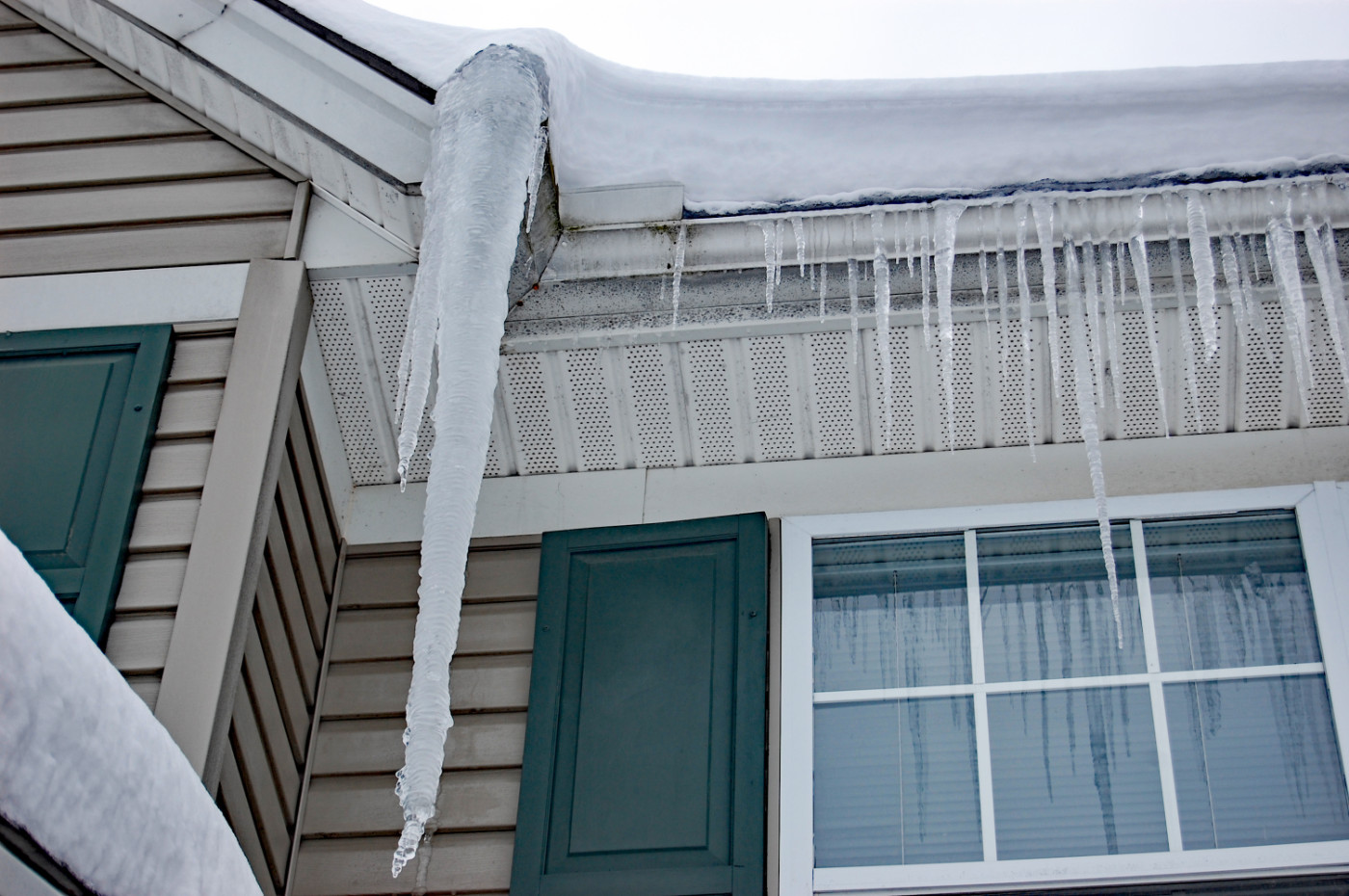
Choosing the best siding for winters in Winnipeg isn’t just a cosmetic decision; it’s about protecting your home from extreme cold temperatures, freeze-thaw cycles, high winds, and moisture damage that can punish a home’s exterior year after year.
Winnipeg experiences some of the most extreme weather conditions in Canada. Long periods of freezing temperatures, sudden warm-ups, winter storms, and brutal wind chill create the perfect environment for moisture intrusion, cracked siding, loose panels, and rising energy bills if the wrong siding material is chosen.
That’s why selecting the right siding material for cold climates is critical. The best siding for Winnipeg winters must:
- Withstand extreme temperature fluctuations
- Resist moisture damage and trapped moisture
- Perform well through freeze thaw cycles
- Maintain structural integrity
- Support energy efficiency and lower heating bills
- Require minimal upkeep in harsh weather
Below, we break down the best siding options for cold weather, how they perform in Winnipeg’s climate, and what homeowners should consider beyond the siding panels themselves.
Understanding Winnipeg’s Extreme Winter Climate
Winnipeg’s climate is defined by:
- Extreme cold lasting months
- Frequent freeze thaw cycles
- High winds and blowing snow
- Long periods of freezing temperatures
- Occasional winter melt leading to moisture intrusion
These conditions put constant stress on a home’s exterior siding. When moisture gets behind siding and freezes, it expands; leading to cracking, warping, and long-term moisture resistance failures.
This is why siding in Winnipeg must be part of a complete wall system, not just decorative cladding. Proper installation quality, moisture-resistant materials, and ventilation behind the siding matter just as much as the siding material itself.
Best Siding Materials for Winnipeg Winters
Insulated Vinyl Siding
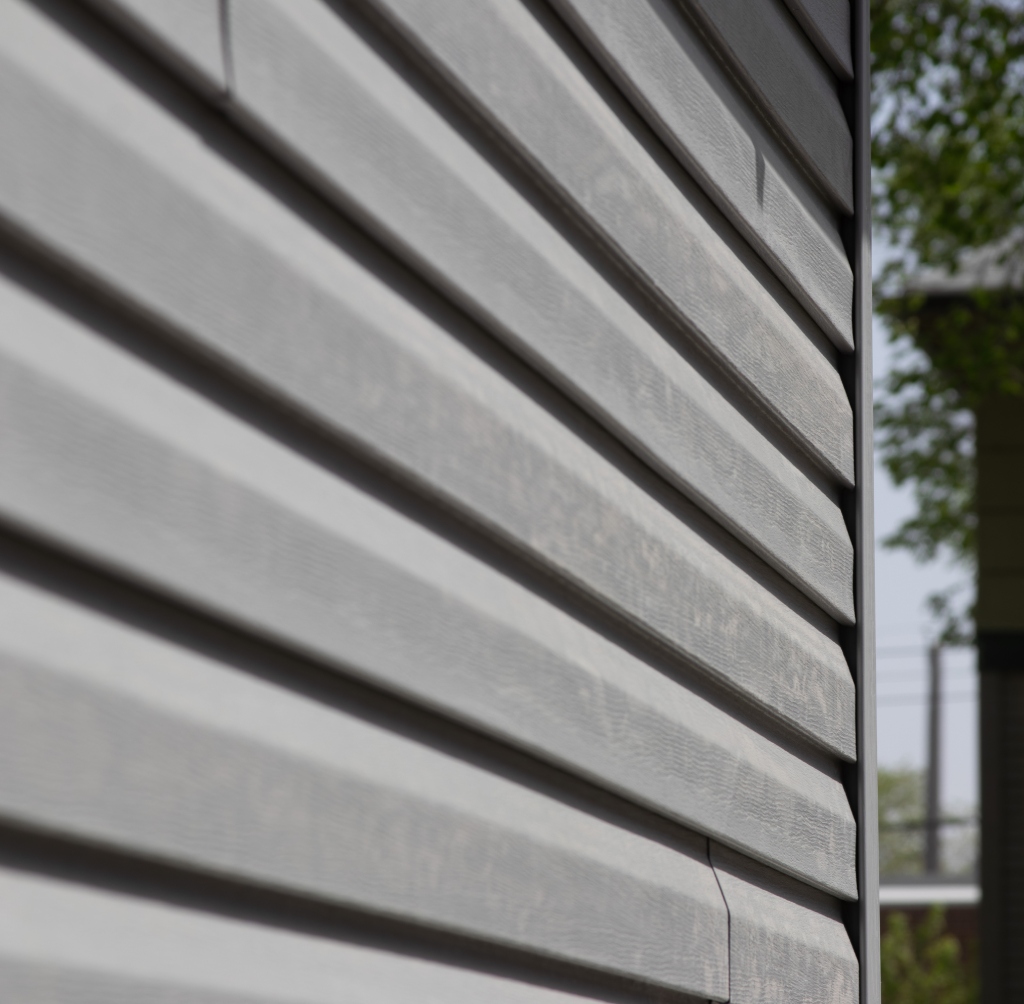
Insulated vinyl siding remains one of the most common choices for cold climates due to its balance of affordability, performance, and low maintenance.
Pros:
- Affordable exterior siding option
- Foam-backed insulated vinyl improves energy efficiency
- Helps reduce energy bills and heating bills
- Requires very little maintenance
- Moisture resistant when properly installed
Cons:
- Standard vinyl siding (non-insulated) can crack in extreme cold
- Poor installation can lead to loose panels in high winds
Why it works in Winnipeg
Insulated vinyl siding adds a layer of foam insulation behind the panels, helping reduce heat loss during freezing temperatures. When paired with proper insulation and breathable membranes, it performs well through freeze thaw cycles and harsh winter weather.
Fibre Cement Siding (Fiber Cement Siding)
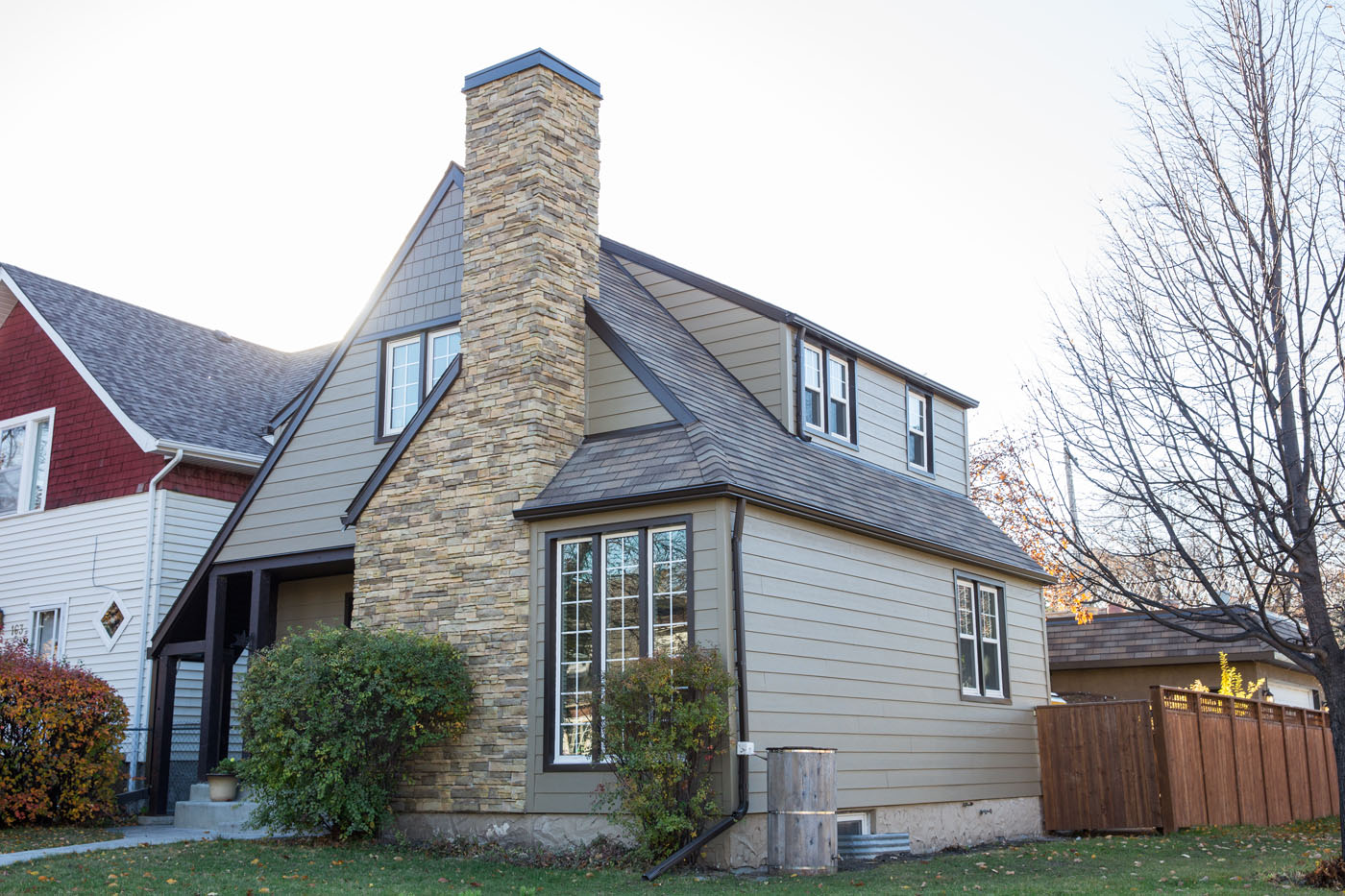
Fibre cement siding (also called fiber cement siding) is one of the most durable siding materials available for extreme cold climates.
Pros:
- Excellent moisture resistance
- Resists fire, pests, and rot
- Handles extreme weather conditions
- Maintains structural integrity
- Long lifespan with minimal upkeep
Cons:
- Higher upfront cost
- Requires professional installation
- Heavier than vinyl siding
Why it works in Winnipeg
Fibre cement siding is extremely stable in extreme temperature swings and resists moisture intrusion better than many alternatives. It does not absorb moisture the way natural wood can, making it ideal for homes exposed to freezing temperatures and snow accumulation.
Engineered Wood Siding
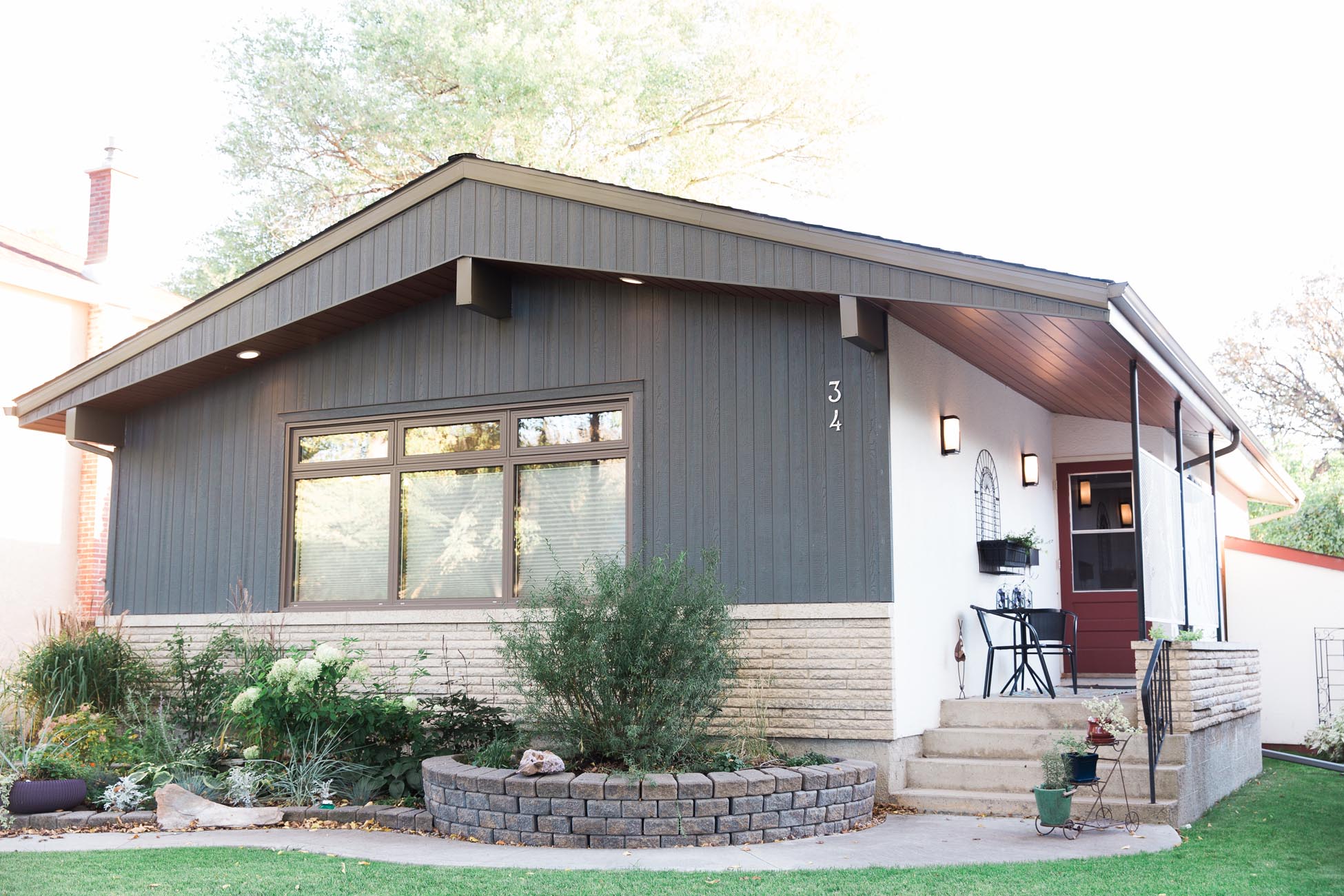
Engineered wood siding combines the natural beauty of wood with enhanced durability for cold weather performance.
Pros:
- Looks like traditional wood siding
- More moisture resistant than natural wood
- Performs well in freeze thaw cycles
- Strong option for architectural styles in Winnipeg
Cons:
- More expensive than vinyl
- Requires professional installation
- Needs periodic maintenance over time
Why it works in Winnipeg
Engineered wood siding is designed to handle extreme cold temperatures without warping or cracking. When installed with proper insulation, rain screens, and moisture control layers, it performs far better than traditional wood in harsh weather.
Traditional Wood Siding
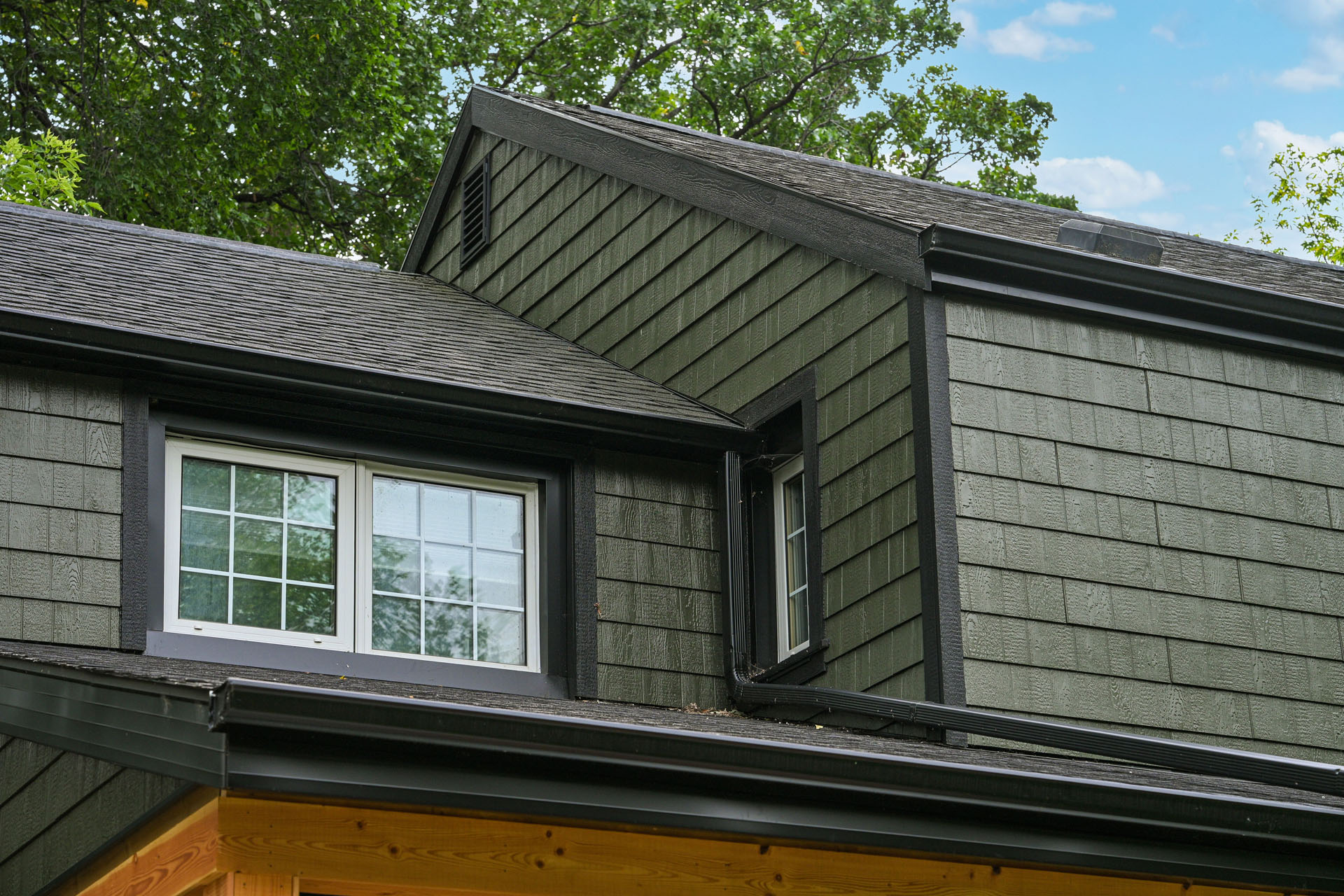
Natural wood siding offers timeless curb appeal but requires the most care in Winnipeg’s climate.
Pros:
- Classic appearance and natural beauty
- Good insulator
- Works with certain architectural styles
Cons:
- Can absorb moisture
- Requires regular maintenance
- Vulnerable to moisture damage and freeze-thaw stress
Why it’s risky in Winnipeg
Traditional wood siding can struggle with high humidity, trapped moisture, and frequent freeze-thaw cycles. Without proper maintenance, sealing, and ventilation, wood siding may deteriorate faster in Winnipeg than other siding materials.
Other Siding Materials (Less Common)
- Metal siding / steel siding / aluminum siding: Highly durable, handles extreme weather well, but less common in residential neighbourhoods.
- Brick siding: Excellent durability and moisture resistance but higher cost and structural considerations.
Why Installation Quality Matters More Than Material Alone
Even the best siding material can fail if installation quality is poor.
In Winnipeg, professional installation must include:
- Breathable moisture-resistant membranes
- Rain screens and air gaps behind siding
- Proper flashing to prevent moisture intrusion
- Attention to freeze thaw cycles
- Continuous insulation to reduce thermal bridging
These details help prevent trapped moisture, reduce long-term maintenance, and extend the life of your home’s exterior.
Energy Efficiency & Insulation Considerations
Siding plays a major role in energy efficiency, but it works best when paired with:
- Proper wall insulation
- Exterior insulated backing
- Air sealing
- Moisture control
Homes with insulated vinyl siding, fibre cement siding, or engineered wood siding — combined with exterior insulation — often see noticeable energy savings and improved indoor comfort during winter weather.
Winter Maintenance Tips for Siding
Even low maintenance siding benefits from occasional care:
- Remove snow buildup near siding
- Check for loose panels after winter storms
- Inspect for cracks after freeze-thaw cycles
- Address moisture damage early
- Schedule professional inspections periodically
Properly maintained siding lasts longer and performs better through extreme cold.
Final Thoughts: Choosing the Right Siding for Winnipeg
Choosing the best siding for winters in Winnipeg means balancing:
- Durability in extreme cold
- Resistance to moisture damage
- Long-term energy efficiency
- Maintenance requirements
- Proper installation practices
For most Winnipeg homes:
- Insulated vinyl siding offers affordability and energy efficiency
- Fibre cement siding delivers maximum durability
- Engineered wood siding balances aesthetics and performance
- Traditional wood siding works best with diligent maintenance
If you’re unsure which siding material is right for your home, a professional assessment can help you choose a solution that stands up to Winnipeg’s harsh winter weather for decades.