What to Check Before Buying a Home in Winnipeg
Buying your first home is exciting, but it also comes with a lot of new responsibilities. One of the biggest things to understand before making an offer is the condition of the roof.
For first-time homebuyers in Winnipeg, the roof deserves extra attention. Heavy snow, ice, wind, spring melt, summer storms, and quick freeze-thaw swings can all put stress on a roofing system. A roof may look fine from the street but still have hidden issues with ventilation, attic moisture, flashing, insulation, or drainage.
This guide will help you understand what to look for, what questions to ask, and when it may be worth getting a professional roof inspection before buying.
Quick Winnipeg Roof Checklist for First-Time Buyers
Before buying a home, try to find out:
- How old is the roof?
- Was it fully replaced or only repaired?
- Are there invoices, warranties, or inspection reports?
- Has the home had leaks, ice dams, or attic moisture issues?
- Are the shingles curling, cracked, missing, loose, or losing granules?
- Are the flashing, vents, valleys, and roof edges in good condition?
- Is the attic properly insulated and ventilated?
- Are there signs of frost, staining, mould, or wet insulation in the attic?
- Do the eavestroughs drain water away from the home?
- If buying in winter, could snow be hiding roof damage?
A roof is not just shingles. It works with the attic, insulation, ventilation, soffit, fascia, eavestroughs, and drainage around the home.
Why the Roof Matters When Buying Your First Home
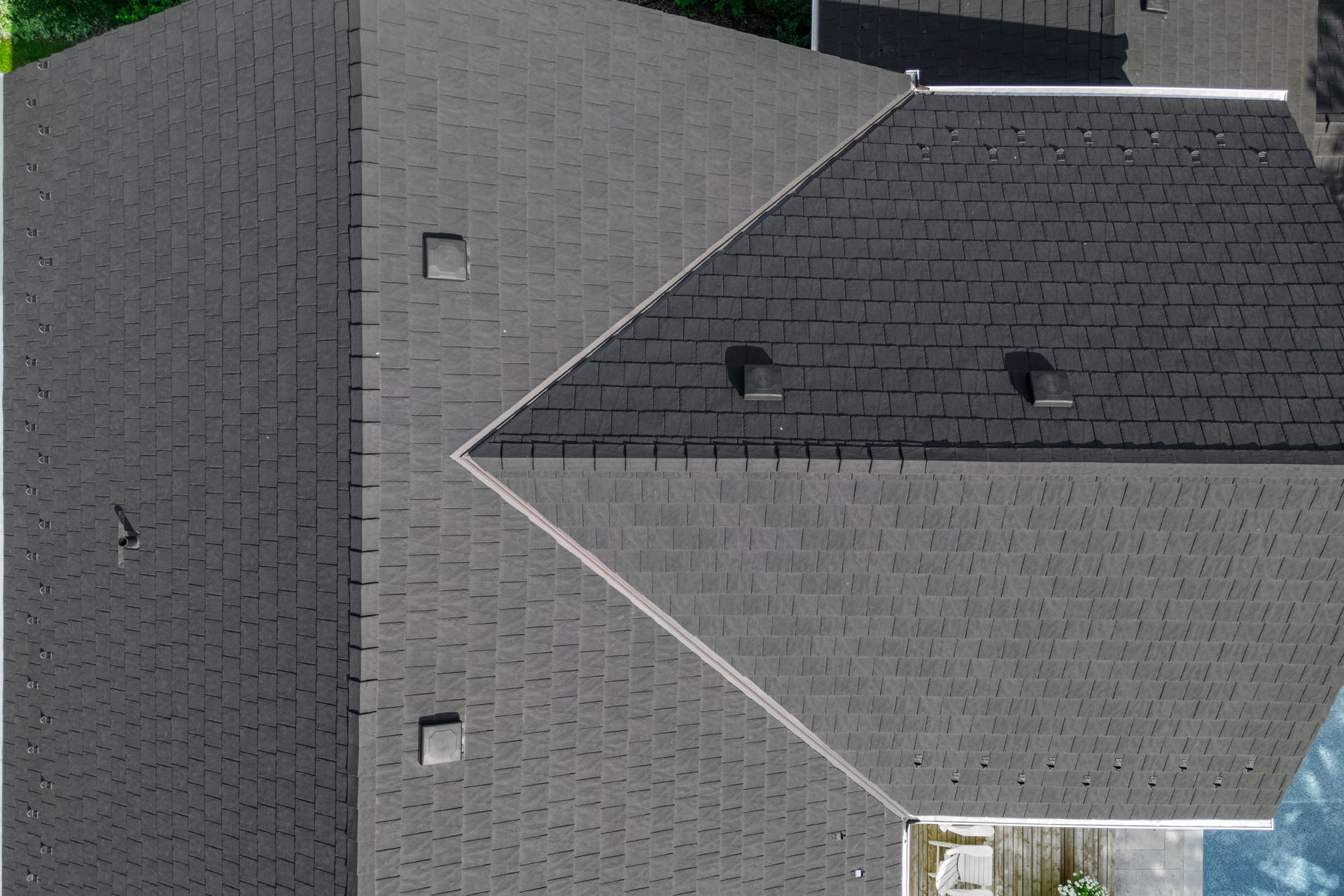
A roof protects the entire home. When it fails, water can damage insulation, ceilings, walls, framing, and other areas of the house.
For first-time buyers, the roof also matters because it can become a major expense soon after moving in. An older roof does not automatically mean you should walk away from a home, but it does mean you should understand the condition, expected lifespan, and possible repair costs before you commit.
The goal is not to find a perfect roof. The goal is to know what you are buying.
Questions to Ask About the Roof Before Buying
When viewing a home or reviewing information with your realtor, ask specific questions about the roof.
Good questions include:
- When was the roof last replaced?
- Was it a full replacement or a repair?
- Who completed the work?
- Are there receipts, invoices, or warranty documents?
- Is the warranty transferable to a new homeowner?
- Has the home ever had roof leaks?
- Has the home had ice damming in winter?
- Were roof vents updated during the replacement?
- Was ice and water shield installed?
- Has the attic insulation or ventilation been upgraded?
- Have there been any insurance claims related to the roof?
If the seller does not have documentation, that does not always mean something is wrong. But it does mean you should pay closer attention during the inspection.
Use the Property Disclosure Statement Carefully
In Manitoba, buyers may receive a Property Disclosure Statement as part of the home-buying process. This can help identify known issues with the property, including past roof problems, water damage, repairs, drainage issues, or major exterior work.
A disclosure statement is helpful, but it should not replace an inspection. Some roof problems are hidden, and others only appear during certain weather conditions.
Ask your realtor whether the seller has disclosed any previous roof leaks, ice damming, attic frost, water stains, major roof repairs, or drainage problems.
Why a Home Inspection May Not Be Enough
A home inspection is an important step, but it is usually a visual inspection. Inspectors may not be able to see every part of the roof, especially if the roof is covered in snow, too steep to access safely, or difficult to view from the ground.
If the inspection report mentions roof concerns, do not ignore them. A roofing contractor can often provide a more specific assessment of the roof’s condition, repair options, and expected lifespan.
This is especially important if the roof is older, visibly worn, recently repaired, or difficult to inspect during winter.
What a Roof Inspection Should Look At
A proper roof assessment should look beyond the surface. For a Winnipeg home, the roof, attic, ventilation, and drainage should all be considered together.
Important areas include:
Shingles
Shingles should be checked for curling, cracking, missing sections, loose tabs, granule loss, exposed nails, and uneven wear.
Flashing
Flashing should be checked around chimneys, vents, skylights, valleys, walls, and roof transitions. Damaged or poorly installed flashing is a common source of leaks.
Roof Valleys
Valleys collect a lot of water. If they are worn, clogged, or poorly installed, they can become problem areas.
Roof Deck
The roof deck is the surface beneath the shingles and underlayment. Sagging areas, soft spots, staining, or attic moisture may point to possible deck issues.
Attic Ventilation and Insulation
Poor ventilation, weak insulation, or air leaks can contribute to attic condensation, frost, and ice damming. In Winnipeg, the attic is often just as important as the shingles when judging roof performance.
Eavestroughs and Downspouts
Eavestroughs should move water away from the roofline and foundation. Look for sagging, leaks, clogs, poor slope, and downspouts draining too close to the home.
Winnipeg Roof Red Flags to Watch For
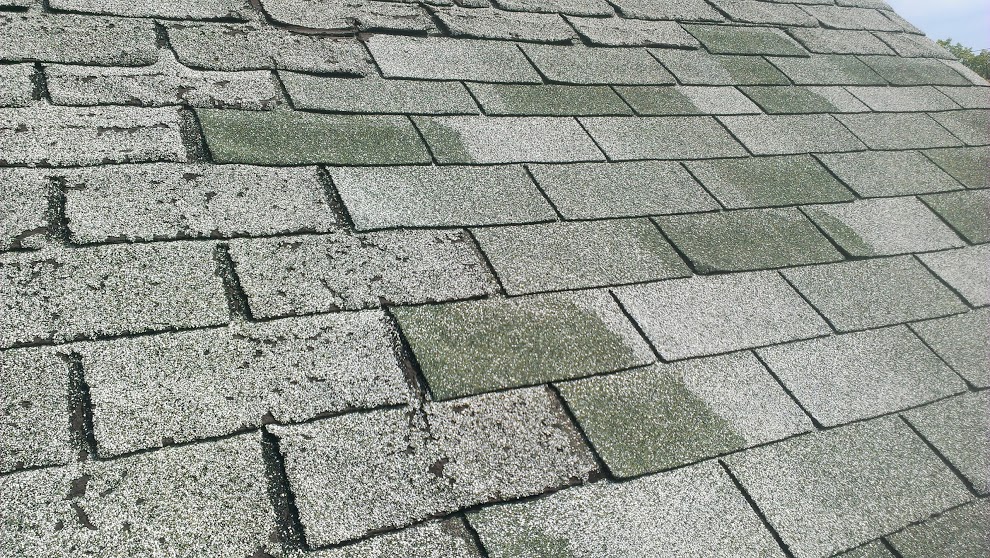
Some signs of roof trouble are obvious. Others are easier to miss.
Watch for:
- Missing, curling, or cracked shingles
- Large amounts of shingle granules in the eavestroughs
- Uneven or patchy roof areas
- Sagging roof sections
- Rusted or damaged flashing
- Water stains on ceilings or upper walls
- Frost or condensation in the attic
- Wet, compacted, or mouldy insulation
- Large icicles along the eaves
- Evidence of repeated ice dams
- Rotting fascia or soffit
- Eavestroughs pulling away from the home
- Unexplained patchwork repairs
One issue does not always mean the roof needs replacement, but several warning signs together should be taken seriously.
Buying a Winnipeg Home in Winter
Winter can make roof inspections harder. Snow and ice can hide shingles, vents, flashing, valleys, low-slope areas, and eavestroughs.
If you are buying in winter, ask for:
- Photos of the roof from warmer months
- Roofing invoices or warranty documents
- Details about past leaks or ice dams
- Information about attic insulation and ventilation
- A follow-up roof assessment when conditions allow, if needed
Not every roof can be fully inspected in winter, so documentation becomes even more important.
Common Roofing Materials in Winnipeg
Many Winnipeg homes use fibreglass laminated asphalt shingles because they offer a practical balance of cost, appearance, and performance.
Other options include:
Architectural Asphalt Shingles
A common choice for Winnipeg homes. They are cost-effective, widely available, and suitable for many residential roofs.
Premium Shingles
Premium shingles may offer upgraded appearance, heavier construction, or improved performance features depending on the product.
Composite Roofing
Composite products can mimic materials like cedar or slate while offering strong durability and impact resistance.
Metal Roofing
Metal roofing can be durable, lightweight, recyclable, and lower maintenance, though it usually has a higher upfront cost.
Cedar Roofing
Cedar can suit some character homes, but it requires proper installation and maintenance.
The best roofing material depends on the home, budget, roof slope, ventilation, installation quality, and long-term goals.
What If the Roof Needs Repairs?
Not every roof problem means the entire roof needs to be replaced. Some issues can be repaired, especially if they are isolated.
Repairs may be possible for:
- Missing shingles
- Minor storm damage
- Small flashing issues
- Damaged vents
- Localized leaks
- Problem areas around valleys or roof transitions
A full replacement may make more sense if the roof is old, damage is widespread, shingles are failing across multiple areas, or hidden roof deck damage is discovered.
If you are buying a home and the roof needs work, get a professional opinion before deciding how serious the issue is.
Roof Age, Insurance, and Budgeting
An older roof can affect your future costs. Home insurance may cover sudden damage from certain insured events, but normal wear and tear, aging, and poor maintenance are generally the homeowner’s responsibility.
Before closing on a home, consider:
- Whether the roof is near the end of its lifespan
- Whether the insurer has concerns about the roof condition
- Whether previous roof claims were made
- Whether you need to budget for repairs soon after moving in
- Whether the roof condition should affect your offer
It is better to understand the roof before buying than to discover a major expense after moving day.
Choosing a Roofing Company After Buying
If you need roof work after buying your home, choose carefully.
Look for a roofing company that:
- Has experience with Winnipeg homes and weather
- Understands roofing, insulation, ventilation, and drainage
- Provides clear written estimates
- Explains repair and replacement options
- Carries appropriate insurance
- Offers product and workmanship warranty information
- Has strong local reviews
- Communicates clearly throughout the process
A good roof depends on more than the shingles. Proper installation, flashing, ventilation, underlayment, drainage, and cleanup all matter.
What to Do After You Move In
Once you own the home, keep an eye on the roof through each season.
A simple maintenance routine includes:
- Check the roof from the ground after major storms
- Clean eavestroughs in spring and fall
- Make sure downspouts drain away from the foundation
- Watch for ceiling stains after rain or snow melt
- Look for large icicles or recurring ice dams in winter
- Check the attic for frost, moisture, or musty smells
- Trim branches that touch or overhang the roof
- Keep documents for inspections, repairs, and warranties
You do not need to climb onto your roof to be a responsible homeowner. A ground-level check and professional inspection when needed are usually the safer option.
Final Thoughts for First-Time Homebuyers
Your first home does not need to have a perfect roof, but you should understand the roof you are buying.
In Winnipeg, a roof has to handle snow, ice, rain, wind, heat, cold, and quick temperature changes. That means buyers should look beyond the shingles and think about the whole system: attic insulation, ventilation, flashing, eavestroughs, drainage, and maintenance history.
Before you buy, ask questions. Review the disclosure documents. Pay attention to the inspection report. If something is unclear, get a roofing professional to take a closer look.
A little roof knowledge before closing can help you avoid stress, surprise costs, and unwanted water damage later.
If you are buying a home in Winnipeg and have concerns about the roof, Above All Roofing & Exteriors can help assess the condition, explain your options, and recommend whether repair, replacement, or further investigation is the best next step.
FAQ: First-Time Homebuyer Roofing Questions
How do I know if a roof is in good condition before buying a house?
Start with the roof’s age, visible condition, inspection report, and available documentation. Look for missing shingles, curling, cracking, granule loss, damaged flashing, sagging areas, ceiling stains, attic moisture, and signs of ice damming.
What should I ask the seller about the roof?
Ask when the roof was last replaced, whether it was a full replacement or repair, who completed the work, whether there are invoices or warranty documents, and whether the home has had leaks, ice dams, attic moisture, or insurance claims.
Should I get a separate roof inspection before buying a home?
A separate roof inspection may be helpful if the roof is older, visibly worn, snow-covered, difficult to access, or listed as a concern in the home inspection report.
Can snow hide roof problems during a winter home inspection?
Yes. Snow and ice can cover shingles, flashing, vents, valleys, low-slope areas, and eavestroughs. If you are buying in winter, ask for documentation, photos, and details about past roof issues.
What are common roof red flags in Winnipeg homes?
Common red flags include missing shingles, damaged flashing, attic frost, water stains, wet insulation, recurring ice dams, sagging roof areas, poor ventilation, clogged eavestroughs, and unexplained patch repairs.
Does attic insulation affect the roof?
Yes. Attic insulation and air sealing help reduce heat loss into the attic. When combined with proper ventilation, this can help reduce condensation, frost buildup, uneven snow melt, and ice dam risk.
What roofing material is best for Winnipeg homes?
Many Winnipeg homes use fibreglass laminated asphalt shingles because they balance cost, performance, and repairability. Metal, composite, premium shingles, and cedar may also be options depending on the home and budget.
Can I negotiate the price of a home if the roof needs work?
Possibly. If an inspection finds roof problems, your realtor can help you understand whether repairs, a price adjustment, or another negotiation option may be appropriate.
Does home insurance cover roof replacement?
Home insurance may cover sudden damage from certain insured events, depending on the policy. Normal wear and tear, aging, and poor maintenance are generally not covered.