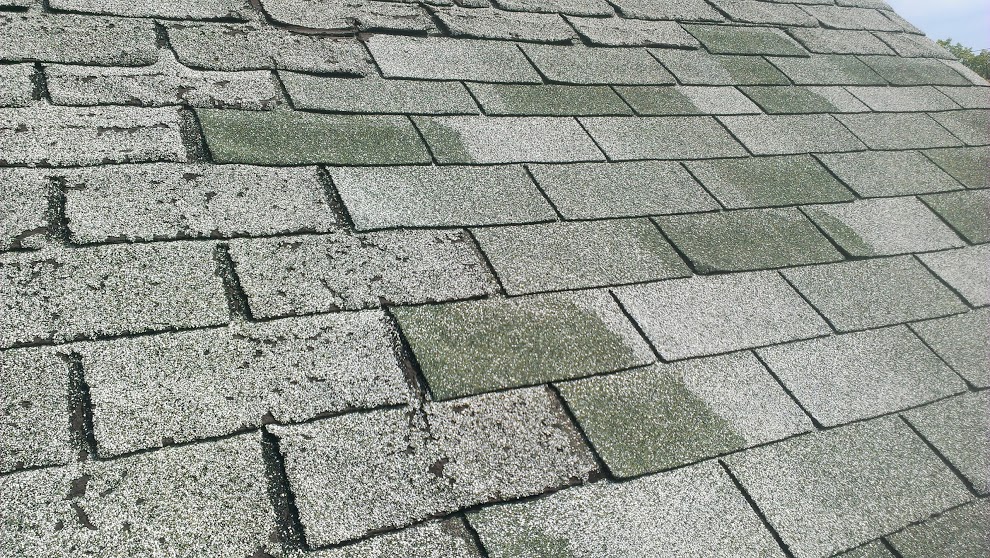
For most Winnipeg homeowners, an asphalt shingle roof lasts about 15 to 25 years. Some standard asphalt shingles may be closer to 15 to 20 years, while architectural shingles and other quality materials may last longer with proper installation, proper attic ventilation, and regular maintenance.
That answer sounds simple, but roof lifespan is rarely decided by age alone. Winnipeg’s extreme climate can be brutal on a shingle roof. Heavy snowfall, snow and ice, strong prairie winds, hail, summer heat, freeze thaw cycles, and sudden weather conditions can all accelerate wear. A well maintained roof may still have useful life after 20 years, while a poorly ventilated or storm-damaged roof may need attention much sooner.
Table of Contents
- Average Roof Lifespan by Roofing Material
- Why Winnipeg Weather Shortens Roof Lifespan
- How Roof Age Changes What You Should Watch For
- Signs Your Roof May Need Replacement
- Should You Repair or Replace Your Roof?
- Why Ventilation and Insulation Matter
- Installation Details That Help a Roof Last Longer
- How Often Should Winnipeg Homeowners Inspect Their Roof?
- Do You Need a Permit to Replace Shingles in Winnipeg?
- When Is the Best Time to Replace Your Roof?
- Final Thoughts
- FAQ
Average Roof Lifespan by Roofing Material
| Roofing Material | Typical Roof Lifespan | Notes for Winnipeg Homes |
|---|---|---|
| Standard asphalt shingles | 15–20 years | A common budget-friendly option, but may wear faster with heavy snow, ice dams, wind, and freeze-thaw cycles. |
| Architectural or laminated asphalt shingles | 20–30 years | Often a stronger choice for Winnipeg homes when installed with proper ventilation and underlayment. |
| Premium designer shingles | 25–35+ years | Designed for improved appearance, durability, and impact resistance. |
| Metal roofing | 40+ years | A long-lasting option with lower maintenance needs, though it usually has a higher upfront cost. |
| Cedar shakes | 20–35 years | Can last well with proper maintenance, but requires more care than asphalt or metal roofing. |
| Composite roofing products | Up to 50 years | Durable products that can offer strong impact resistance and long-term performance, depending on the system. |
| Flat roofs | 15–30 years | Lifespan depends heavily on the flat roofing system, drainage, installation quality, and maintenance. |
Material quality matters, but installation quality matters just as much. A long lasting roof depends on the full system: shingles, underlayment, flashing, ventilation, insulation, eavestroughs, and timely repairs.
Why Winnipeg Weather Shortens Roof Lifespan
A roof in a moderate climate has an easier job than a roof in Winnipeg. Here, the roof takes a beating from multiple factors throughout the year.
In winter, heavy snow loads, snow and ice, and ice buildup can stress the roof system. When heat escapes into the attic, it can melt snow from underneath. That meltwater can refreeze near the eaves and cause ice dams. Ice dam formation can force water back under shingles, leading to leaks, moisture damage, and costly repairs.
Freeze thaw cycles are another major issue. When water melts, seeps into small gaps, and freezes again, it expands. Over time, that can weaken shingles, loosen flashing, and make small roof problems worse.
In summer, heat, UV exposure, and storms can dry out shingles and wear away protective granules. Hail can bruise shingles, while wind can lift shingles or tear them away completely. Even shingle damage can expose your home to water damage.
How Roof Age Changes What You Should Watch For
0–10 years: Watch for storm damage or installation issues
A newer roof should not have widespread wear, but it can still be damaged by hail, wind, fallen branches, or poor installation. Watch for lifted shingles, damaged vents, and water stains after storms.
10–15 years: Start monitoring wear
This is when many shingle roof systems begin to show early warning signs. You may notice small repairs, light granule loss, minor curling, or wear around valleys and roof edges.
15–20 years: Plan ahead
At this stage, roof age becomes more important. You may not need roof replacement right away, but it is smart to schedule a roof inspection. This is also a good time to compare material costs and understand your options before the decision becomes urgent.
20+ years: Replacement becomes more likely
A 20-year-old shingle roof may still be doing its job, but it should be inspected carefully. If you see buckling or cracked shingles, recurring leaks, a sagging roof, or a sagging roof deck, roof replacement may be the safer long-term choice.
Signs Your Roof May Need Replacement
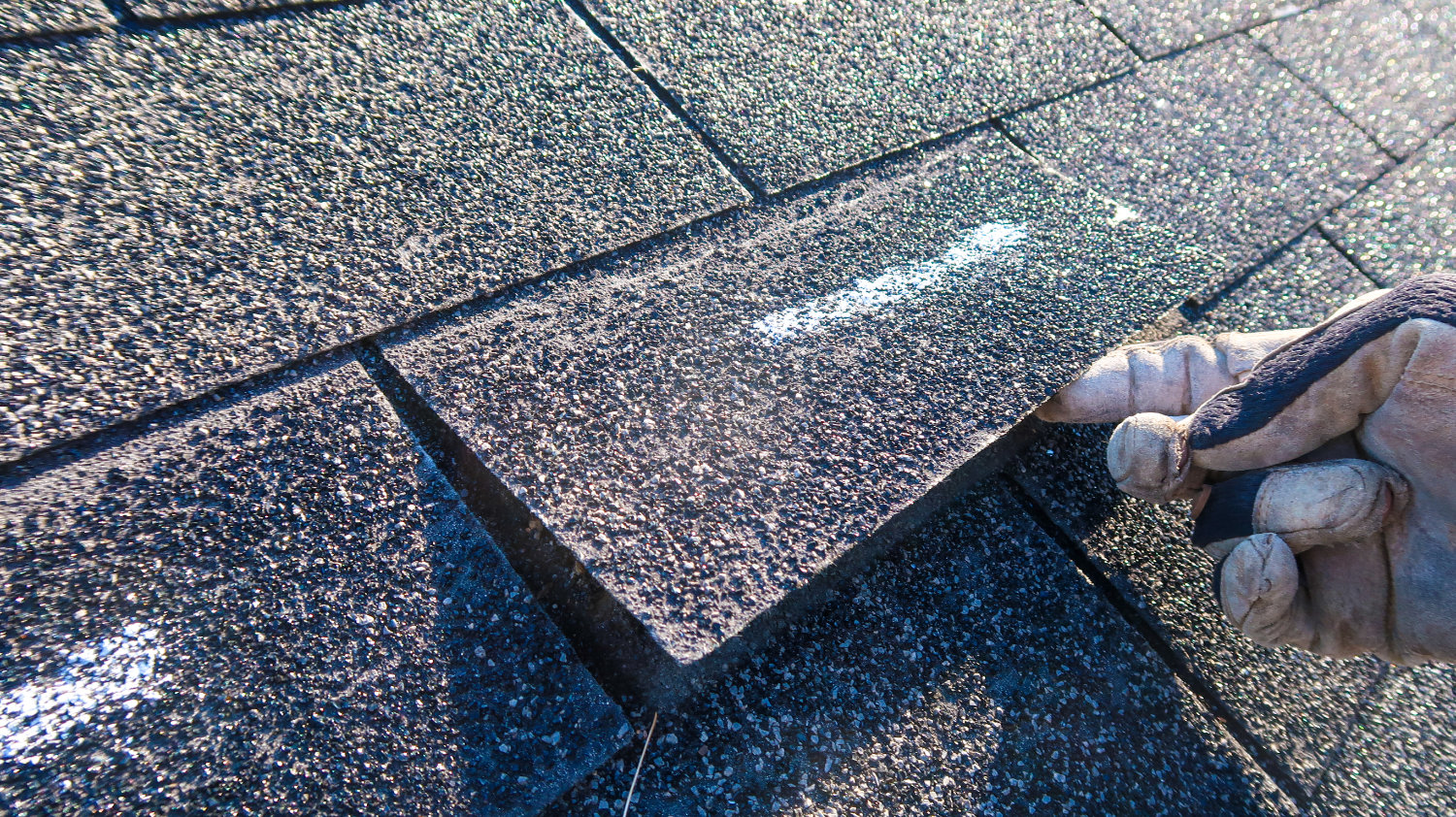
Some roof problems are obvious. Others are easy to miss until water starts showing up inside the home.
Watch for:
- Missing shingles or shingles found in the yard
- Curling, cracked, brittle, or buckling shingles
- Asphalt granules collecting in eavestroughs
- Bald patches where protective granules are gone
- Water stains on ceilings or attic sheathing
- Repeated leaks in the same area
- Soft spots, rot, or structural damage
- Ice dams forming in the same spots each winter
- Higher energy bills or comfort issues tied to attic problems
- Frequent repairs that no longer seem to last
One damaged section may only need prompt repairs. Widespread wear across several roof slopes usually points to a roof that is aging as a system.
Should You Repair or Replace Your Roof?
A leak does not always mean you need to replace your roof. Sometimes the issue is isolated: a damaged vent, failed flashing, storm damage, or a small damaged section.
Repair may make sense when the roof is newer, the damage is limited, and the surrounding shingles are still flexible and in good condition. Timely repairs can protect your home and buy you time before a full roof replacement.
Replacement may make more sense when the roof is near the end of its expected lifespan, repairs are frequent, or damage is spread across several areas. If the decking has rot, structural issues, or widespread moisture buildup, replacing the roof may be more cost-effective than patching one problem after another.
A good inspection should help you understand whether you need a repair, replacement, or a plan to monitor the roof’s life.
Why Ventilation and Insulation Matter
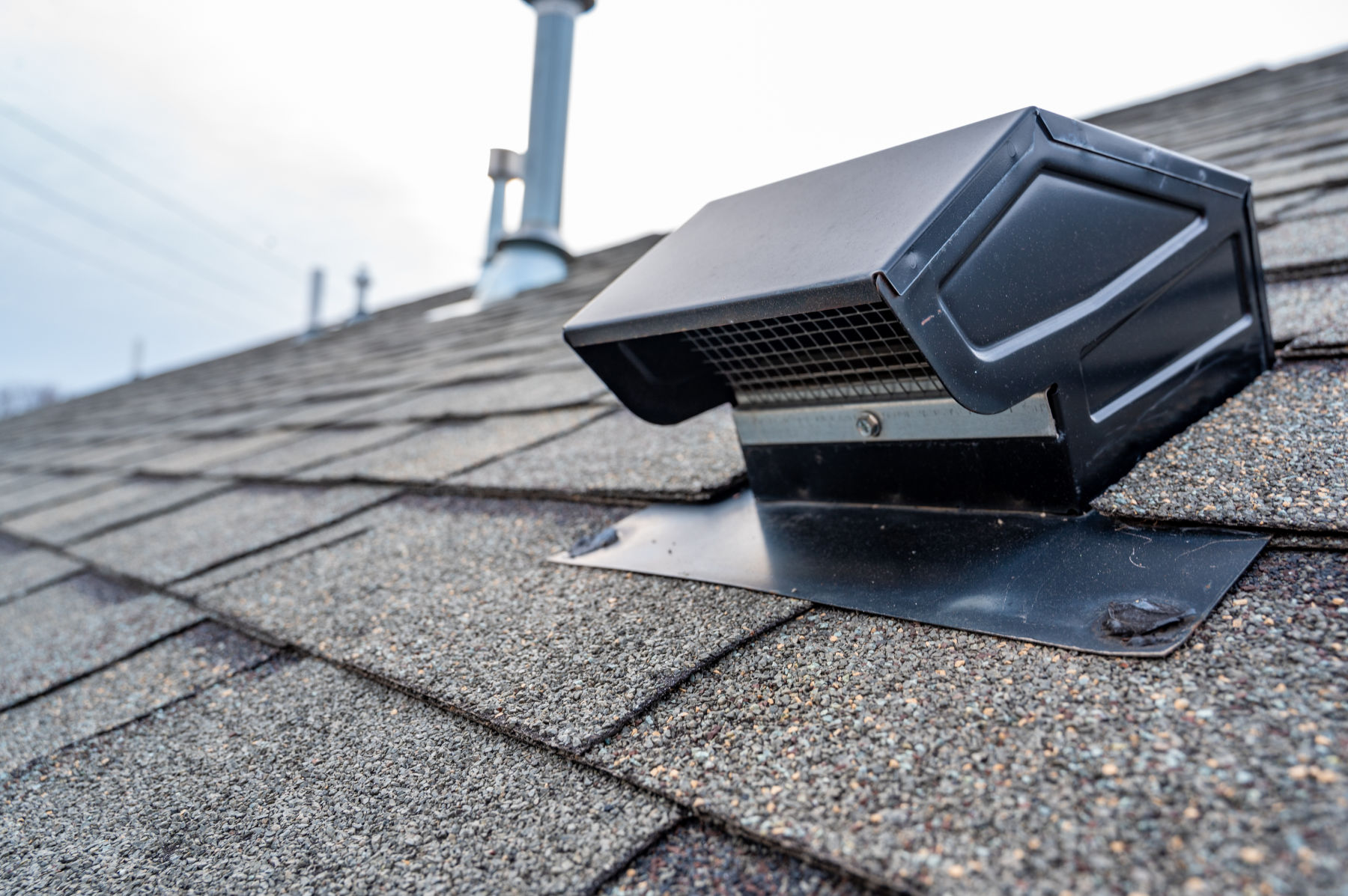
Your shingles are only part of the roof system. Proper attic ventilation and insulation play a major role in roof longevity, especially during harsh winters.
When warm indoor air leaks into the attic, it can create heat and moisture buildup. That trapped air may warm the underside of the roof, melt snow unevenly, and contribute to ice dams. It can also increase condensation, which may damage wood, insulation, and other materials.
A properly ventilated attic helps move moisture out and keeps attic temperatures more balanced. Good insulation and air sealing help protect your home’s energy efficiency and reduce the conditions that lead to winter roof problems.
This is why Winnipeg roofing should not be treated as shingles alone. Roofing, ventilation, insulation, soffit, fascia, and eavestroughs all work together. If one part of the system is weak, the roof’s life can be shortened.
Installation Details That Help a Roof Last Longer
Experienced contractors know that the details under and around the shingles matter. A durable Winnipeg roof should be built with quality materials and installed to manufacturer specifications.
Important details can include:
- Ice and water protection at vulnerable areas
- Synthetic underlayment beneath the shingles
- Drip edge flashing to help direct water into the eavestrough
- Proper flashing around walls, chimneys, vents, and penetrations
- Open metal valleys where appropriate
- Balanced intake and exhaust ventilation
- Careful decking inspection before new shingles are installed
These details help protect against water entry, wind-driven rain, ice buildup, and premature wear.
How Often Should Winnipeg Homeowners Inspect Their Roof?
Regular inspections and proper maintenance are two of the simplest ways to extend roof lifespan. A Winnipeg homeowner should consider a roof inspection in spring, in fall, and after severe weather such as hail, high winds, heavy rain, or ice storms.
You should also book an initial inspection if you do not know your roof age, if you are buying or selling a home, or if your roof is more than 15 years old.
You do not need to climb onto the roof yourself. From the ground, you can often spot bare patches, uneven lines, damaged flashing, sagging areas, or debris in the eavestroughs. Inside, check for water stains, attic frost, musty smells, or signs of moisture.
Do You Need a Permit to Replace Shingles in Winnipeg?
In many standard residential cases, replacing shingles with the same material does not require a City of Winnipeg permit. However, permit requirements can depend on the project. Structural changes, different materials, commercial work, heritage properties, or major repairs may need a closer review.
A qualified local contractor can help confirm what applies before work begins.
When Is the Best Time to Replace Your Roof?
Most roof replacement projects are completed from spring through fall. Planning ahead gives you more time to choose roofing materials, compare options, and schedule the work before the busy season fills up.
That said, the best time to replace your roof is before it fails. Waiting until a leak appears can lead to interior damage, wet insulation, hidden rot, and bigger repair costs.
Final Thoughts
Most asphalt shingles in Winnipeg last about 15 to 25 years, but the true answer depends on installation quality, ventilation, weather exposure, regular maintenance, and the condition of the full roof system.
If your roof is over 15 years old, has a few missing shingles, shows granule loss, or has recurring leaks, it is worth getting a professional inspection. You may only need a repair. You may need to start planning for replacement. Either way, you will have a clearer answer before a small problem turns into a proper wallet-punching disaster.
At Above All Roofing & Exteriors, we inspect the full roof system, including shingles, flashing, decking condition, ventilation, and related exterior details. Whether you need repair work, roof replacement, or honest advice about how much life your roof has left, our team can help you make an informed decision.
Contact Above All today to book a roof inspection or request a quote for your Winnipeg home.
FAQ
How long does an asphalt shingle roof last in Winnipeg?
Most asphalt roofs in Winnipeg last about 15 to 25 years. Standard asphalt shingles may be closer to 15 to 20 years, while architectural shingles may last longer with proper installation and maintenance.
Can a roof last 30 years in Manitoba?
Yes, some shingle roofs can last close to 30 years, especially if they use quality materials and are installed well. However, harsh winters, heavy snowfall, strong prairie winds, ice dams, and poor ventilation can shorten the roof lifespan.
Is a 20-year-old roof automatically bad?
No. A 20-year-old roof is not automatically failing, but it should be inspected. If it has cracked shingles, leaks, moisture buildup, or repeated repair needs, replacement may be the better choice.
Should I replace my roof before it leaks?
Yes, when possible. Replacing your roof before it leaks gives you more control over timing, material selection, and cost. Waiting for a leak can lead to structural damage, wet insulation, and interior repairs.
Does energy efficiency matter when replacing a roof?
Yes. The roof covering itself is not your home’s insulation, but roof ventilation, attic insulation, and air sealing affect your home’s energy efficiency and can reduce winter moisture problems.
Is metal roofing worth it in Winnipeg?
Metal roofing, cedar shakes, and other roofing materials can be good options depending on the home. Metal roofing can be a good option for homeowners who want a longer service life and lower maintenance. It usually costs more upfront than asphalt shingles, but the roof longevity may make sense for some homes.