
Table of Contents
- Introduction
- Why Winnipeg Homes Need a System-Based Approach
- What a Complete Exterior System Really Means
- Step 1: Water Control Starts at the Roof Surface
- Step 2: Underlayment, Deck, and the Hidden Protective Layers
- Step 3: Ventilation, Air Sealing, and Attic Performance
- Step 4: Insulation Beyond the Attic
- Step 5: Walls, Siding, and Moisture Management
- Step 6: Soffit, Fascia, Eavestroughs, and Roof Edge Details
- Why Most Contractors Only Fix Part of the Problem
- Why One Company Managing Multiple Exterior Systems Works Better
- Final Takeaway
Introduction
In Winnipeg, exterior problems rarely start with just one failed part. A leak at the roof edge, frost in the attic, cold floors near an addition, moisture behind siding, or overflowing eavestroughs often trace back to the same issue: the home is being treated as a series of separate jobs instead of one connected system.
That system includes the roof covering, underlayment, deck, ventilation, insulation, soffit, fascia, siding, weather barriers, and drainage. Each part has a different job, but they all affect one another. When one weak point is missed, the damage often shows up somewhere else.
That is why we approach homes as a complete exterior system. In our experience, long-term performance comes down to how every part of the exterior works together, especially in Winnipeg’s climate.
Why Winnipeg Homes Need a System-Based Approach
Winnipeg is hard on homes. Long winters, freeze-thaw swings, heavy snow, and wind-driven moisture all put pressure on the exterior. The housing stock makes things even trickier. A steep older home in Wolseley behaves differently than a bungalow in North Kildonan, and both may have additions or past renovations that changed how the house handles airflow, moisture, and heat loss.
That matters because what looks like a simple roofing problem may not be roofing alone. Ice dams can be tied to insulation and ventilation. Cold floors can point to rim joists or crawlspaces. Moisture behind siding may relate to wall drying and drainage. Replacing one visible surface without looking at the rest of the assembly can leave the real problem untouched.
We see this often in Winnipeg homes. A homeowner calls about one symptom, but the actual cause sits somewhere else in the system.
What a Complete Exterior System Really Means
A complete exterior system is designed to manage four things at once:
- water from rain, snow, and melting ice
- airflow and pressure differences
- heat loss and heat buildup
- moisture movement and drying potential
When those forces are managed together, a home stays drier, more comfortable, and more durable. When they are not, the same symptoms keep coming back.
That is why we believe the better question is not just, “Do I need a new roof?” or “Do I need more insulation?” The better question is, “How is the whole exterior performing?”
Step 1: Water Control Starts at the Roof Surface
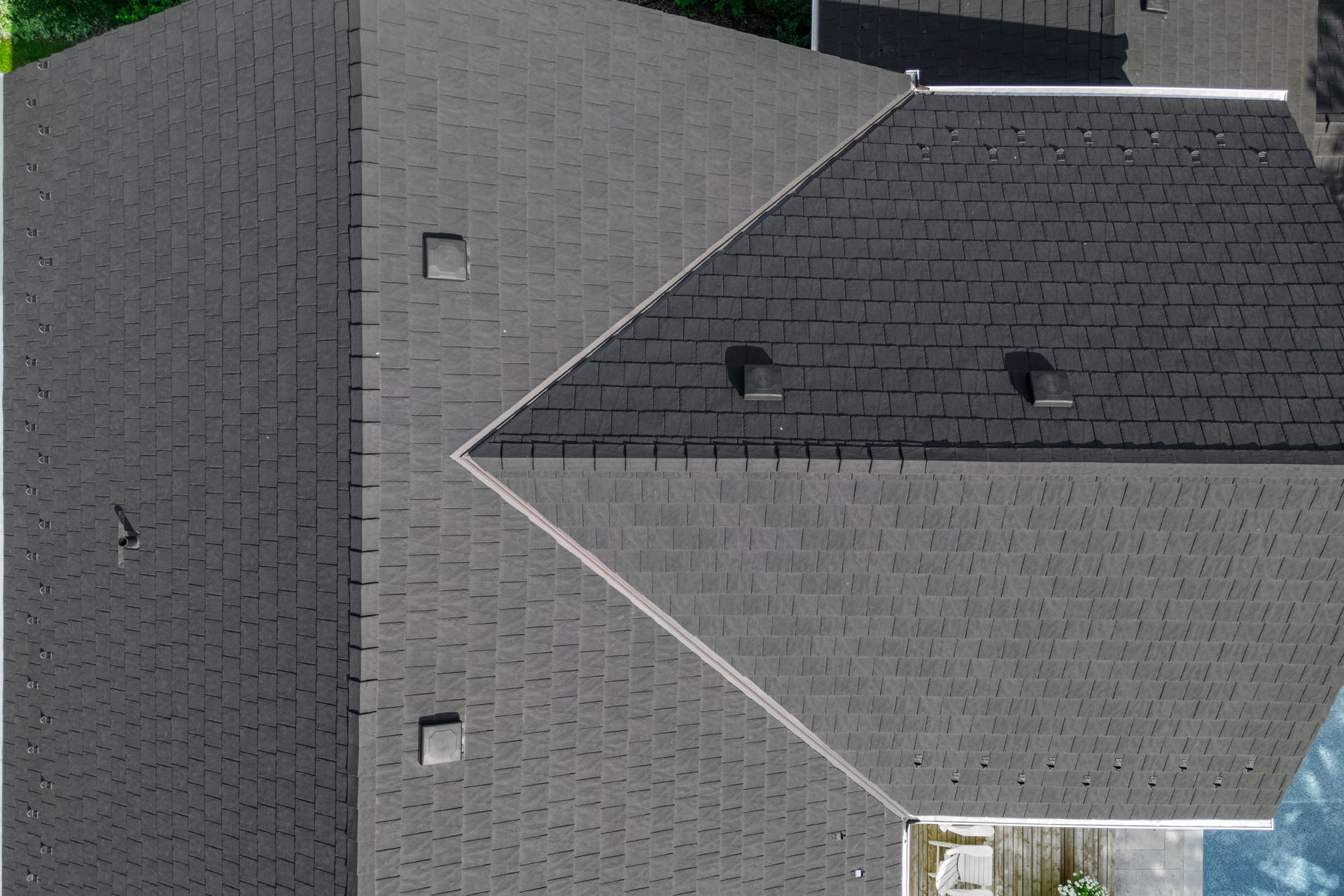
The roof surface is the first line of defence, but it is only the start of the system. In Winnipeg, the most common residential option is still the fiberglass laminated shingle, sometimes more broadly referred to as a fiberglass asphalt shingle. We also install and service other roofing materials that make sense for our market, including:
- fiberglass asphalt shingles
- metal roofing
- synthetic composite or rubber roofing products
- wood shakes or cedar-style premium options
Material choice matters, but material choice alone does not make the system work. The details that direct water safely off the home matter just as much:
- drip edge at the eaves
- properly flashed valleys
- wall and chimney flashing
- sealed penetrations
- correct edge and transition work
When those details are done properly, water moves where it is supposed to go. When they are skipped, poorly installed, or treated as optional, moisture starts finding weak points.
Step 2: Underlayment, Deck, and the Hidden Protective Layers
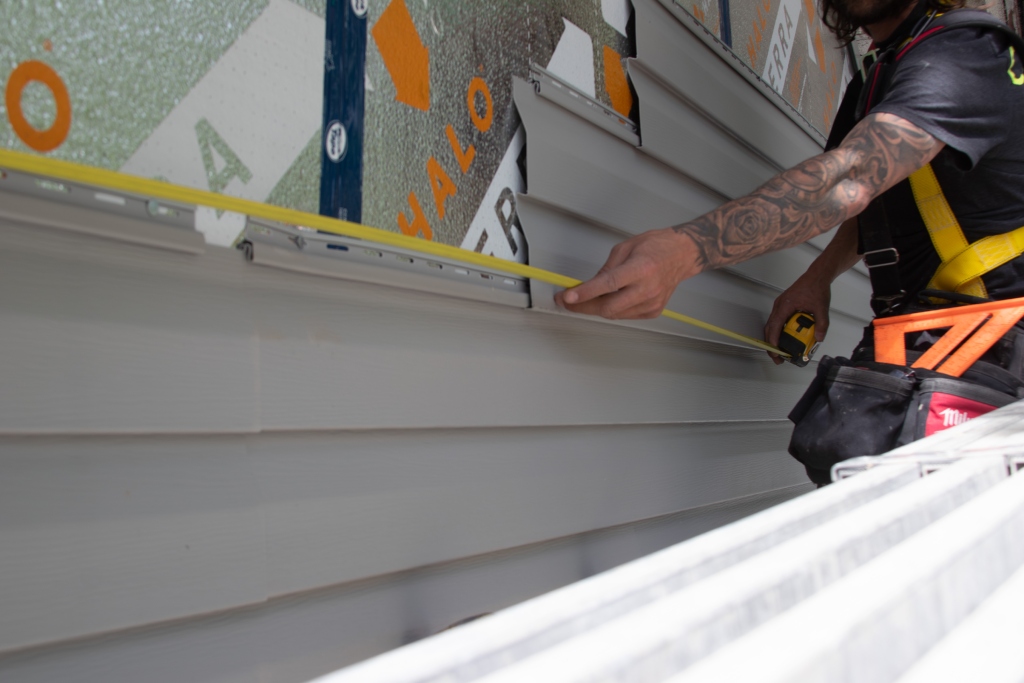
Most homeowners only see the outer surface. What they do not see is often what protects the home when the weather turns rough.
Under the roof covering are the protective layers that provide backup protection and structural support:
- ice and water shield
- synthetic underlayment
- flashing
- sealants
- deck sheathing such as plywood or oriented strand board
The deck is the structural base of the assembly. If it stays dry and sound, it supports everything above it properly. If it is repeatedly exposed to trapped moisture or water intrusion, the assembly weakens and repairs become more expensive.
That is one reason we treat breathable synthetic membrane as a standard part of our roofing systems rather than an upgrade. It helps reduce the chance of vapour becoming trapped between the underlay and the roof decking. We also put a lot of value on open metal valleys because valleys collect more water and tend to wear faster than other areas.
This is where a roof that looks fine from the outside can start failing from underneath.
Step 3: Ventilation, Air Sealing, and Attic Performance
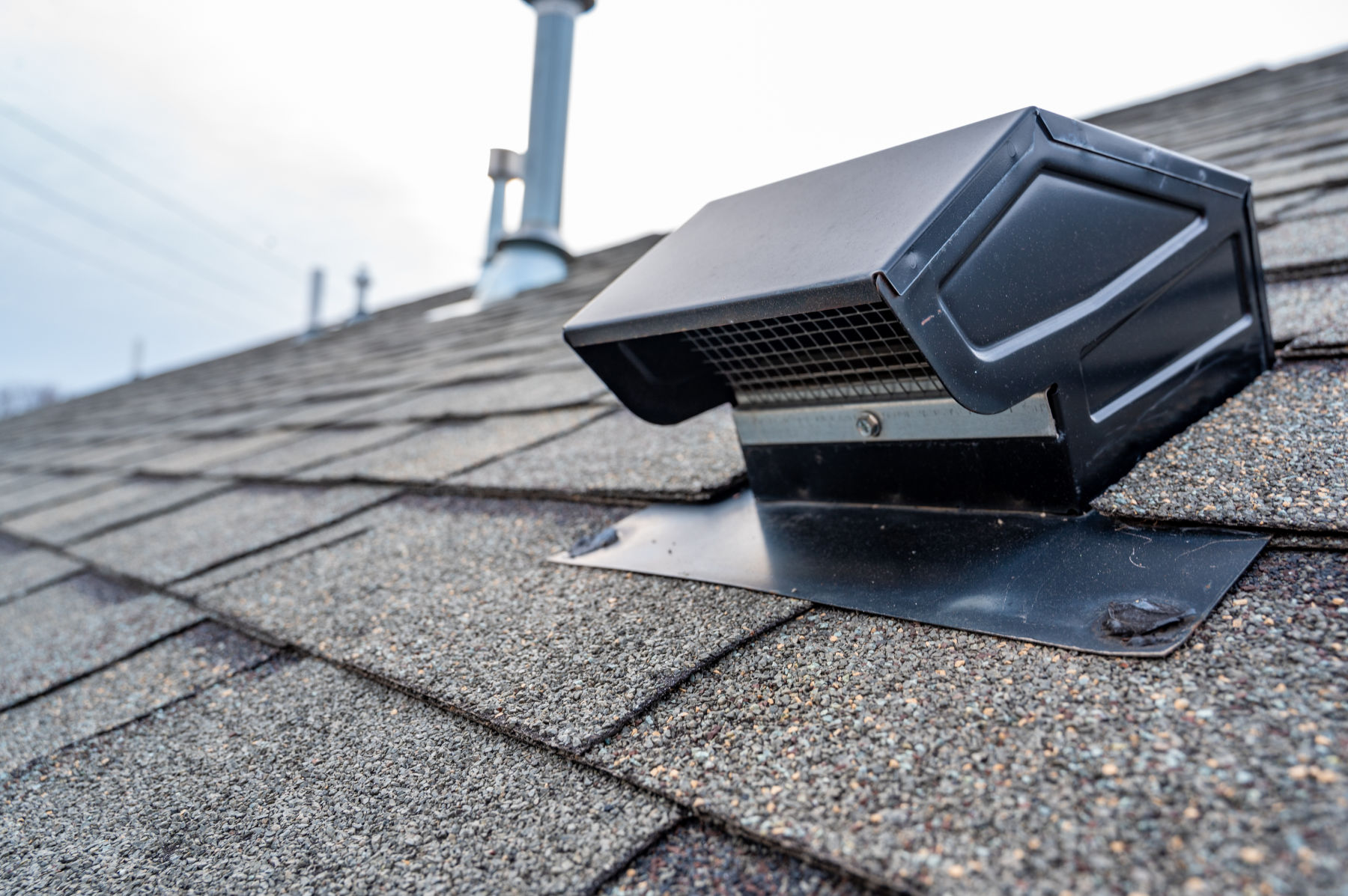
Ventilation is one of the most misunderstood parts of exterior performance. Many homeowners hear they need more vents, but the real issue is not quantity alone. It is whether the assembly has balanced intake, exhaust, and clear airflow paths.
Good attic performance depends on:
- intake through the soffits
- exhaust near the top of the roof or attic assembly
- enough insulation
- effective air sealing
- ventilation paths that remain open
We also pay close attention to attic penetrations, attic access points, and ventilation paths during insulation work. If warm, moist interior air is leaking into the attic, adding more insulation alone may not solve the problem. You also need to control air leakage and maintain proper ventilation.
That is especially important in Winnipeg. Long cold winters can allow condensation to build up in the attic for months and then drop out when temperatures change. If the attic assembly is not working properly, the same moisture problems tend to return.
Step 4: Insulation Beyond the Attic
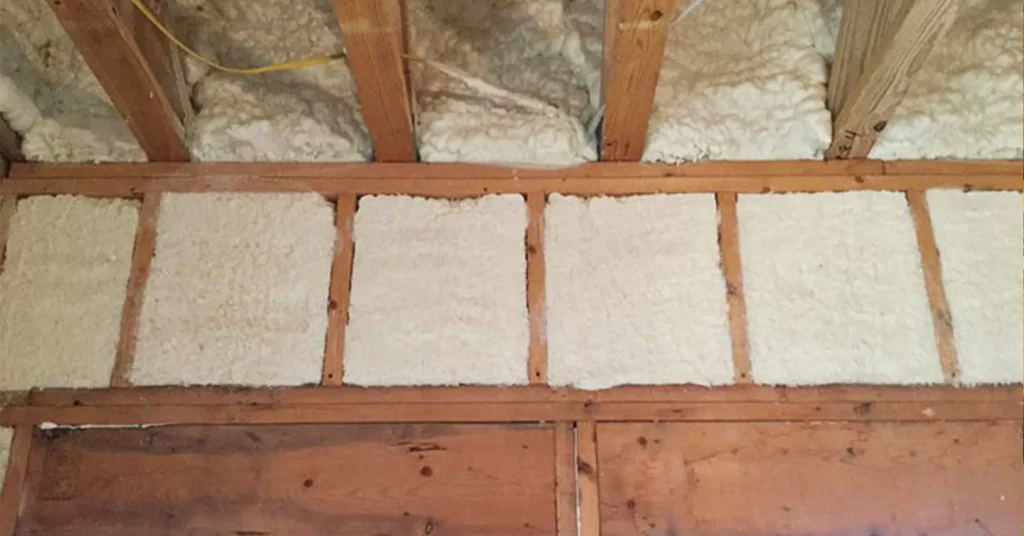
A complete exterior system is not only about the attic. Some of the worst comfort problems in Winnipeg show up lower in the house.
Cold floors are common in additions and around the perimeter of the home, especially where rim joists and crawlspaces allow air leakage. In those areas, we often use spray foam because it provides high-performance insulation while also helping control air leakage and moisture.
That matters because homeowners usually notice symptoms, not causes:
- cold floors
- drafty rooms
- uneven comfort
- higher heating bills
- spring moisture or water marks near ceilings
Those symptoms may involve the attic, but they may also point to uninsulated or poorly sealed perimeter areas. That is one reason this article is better framed around a complete exterior system than a roofing system alone.
When it comes to insulation levels, the right target depends on the assembly, available space, and the ability to maintain proper ventilation. The goal is not to chase one number blindly. The goal is to improve how the whole system performs.
Step 5: Walls, Siding, and Moisture Management
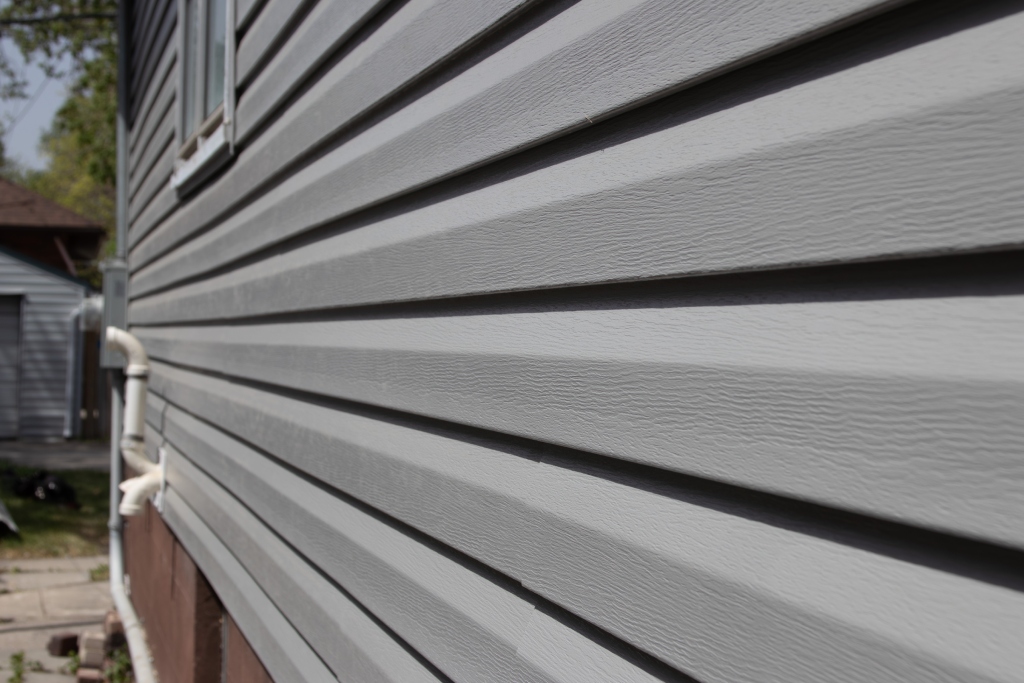
The walls have to do their share too. In Winnipeg, moisture can move from the inside out during winter. If the wall cannot shed and dry properly, frost and dampness can build up behind the siding.
That is why we do not treat siding as just a cosmetic layer. A better wall assembly may include:
- siding
- a breathable weather-resistant barrier
- flashing around windows and doors
- drainage space
- rain screen strapping
- exterior insulation in some cases
These details help the wall shed moisture and improve drying potential. They also help protect the home from wind-driven moisture and support comfort and efficiency over time.
When siding is replaced without looking at the wall assembly behind it, the visible finish may improve while the hidden problem stays put.
Step 6: Soffit, Fascia, Eavestroughs, and Roof Edge Details
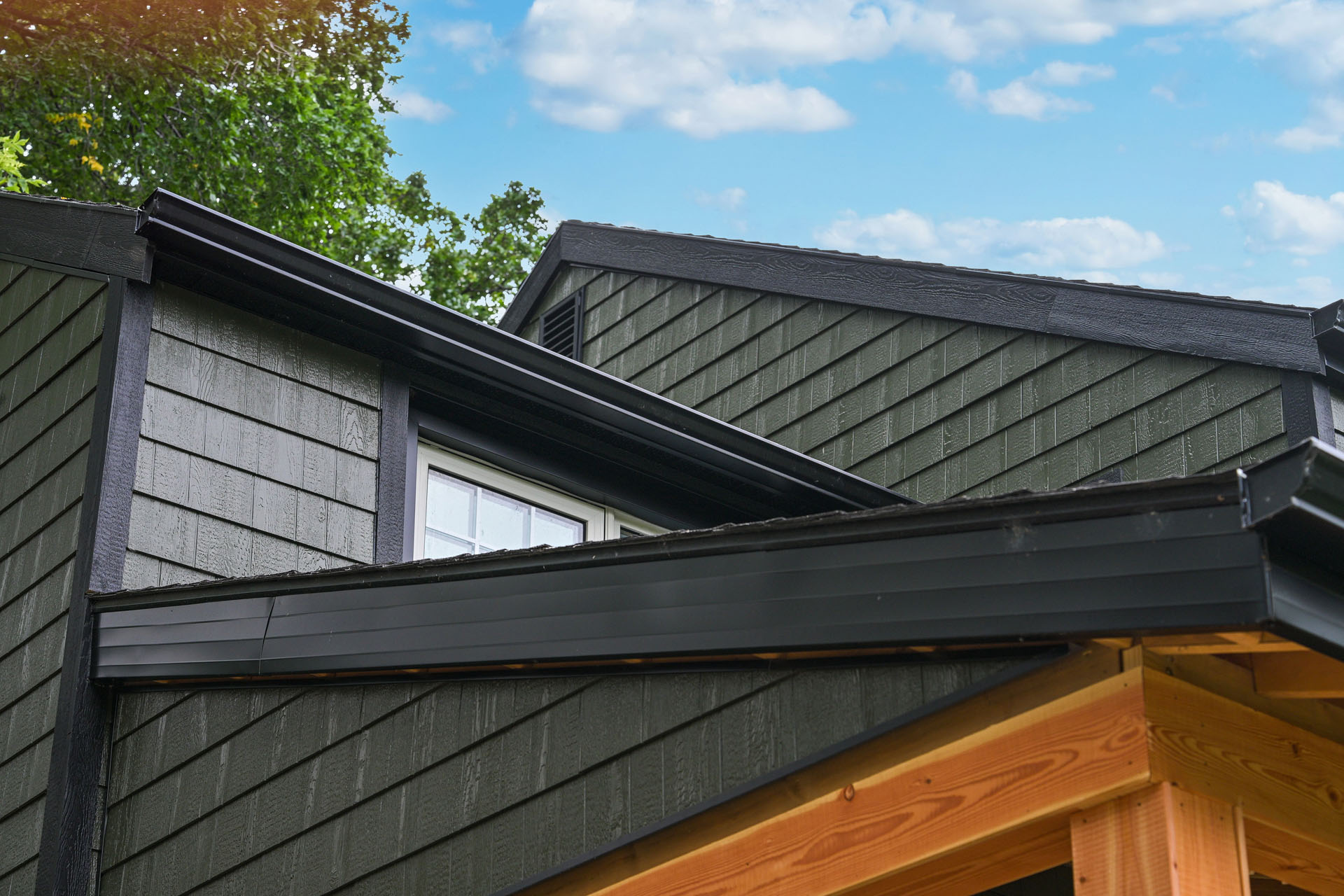
Soffit, fascia, and eavestroughs all influence how well the roof edge performs:
- soffit provides intake air
- fascia protects the edge and supports drainage components
- eavestroughs capture runoff and move it away from the building
We use the term eavestroughs because that is the term we use in our company and the one most homeowners here are familiar with.
We also look closely at the condition of soffits, fascia or sub-fascia, and rafter tails during exterior work. If there is rot, poor ventilation, or weak edge detailing, those problems need to be addressed before the new work goes on. We also fabricate continuous seamless eavestroughs on site, which helps create a cleaner and more durable drainage system.
Standard residential eavestroughs are often 5 inches, but 6-inch systems can make more sense for larger roof areas or heavier snow loads. Regular cleaning matters too. Even a good drainage system can struggle if water has nowhere to go.
Drip edge also matters here. At the eaves, it helps direct runoff into the eavestrough instead of allowing water to track behind the fascia and cause rot.
Why Most Contractors Only Fix Part of the Problem
This is where repeated repairs usually begin.
One company replaces the roof. Another later tries to fix attic moisture. Another replaces siding. Another installs eavestroughs. Each trade may do good work on its own, but nobody is asking whether the home is being repaired in the right order or as part of one coordinated plan.
We see this in real projects. In some homes, the best or only opportunity to address certain sloped ceiling or attic cavities is during roof replacement. If the roof is done first and the insulation issue is left for later, the homeowner may end up paying thousands more to open things from the inside.
The same goes for eavestroughs. Installing new eavestroughs before a roof replacement increases the chance they get damaged during the roofing work. In many cases, the better order is roof first, eavestroughs after.
That is one of the biggest reasons system-based planning matters. It is not just about choosing the right materials. It is also about doing the work in the right sequence.
Why One Company Managing Multiple Exterior Systems Works Better
When one company understands roofing, insulation, siding, soffit, fascia, and eavestroughs together, it becomes much easier to:
- diagnose the real source of the problem
- plan work in the right order
- avoid redundant repairs
- reduce finger-pointing between trades
- improve long-term performance instead of just appearance
For Winnipeg homeowners, that often means fewer surprises, fewer callbacks, and better value over time.
A system-based approach also makes it easier to recommend solutions that fit the actual house instead of forcing every home into the same template.
Final Takeaway
A Winnipeg home performs best when the exterior is treated as one connected system. The roof covering matters, but so do the hidden protective layers, the deck, the ventilation strategy, the insulation, the wall assembly, the soffit and fascia details, and the way runoff is managed through the eavestroughs.
When those parts work together, the home stays drier, more comfortable, and more durable. When they do not, homeowners can end up stuck in the cycle of recurring leaks, ice dams, cold floors, condensation, and partial repairs.
That is why a full exterior assessment is often smarter than a single-trade quote. It gives homeowners a clearer picture of what is happening, what order the work should happen in, and what will actually solve the problem for the long term.
contact us for a full exterior assessment
References
https://www.gaf.com/en-us/blog/your-home/what-are-the-components-of-a-roof-281474980207789
https://www.thisoldhouse.com/roofing/all-about-roofing
https://absi.ca/roofing-systems/
https://www.billraganroofing.com/blog/anatomy-of-a-roof
https://www.buildingscience.com/documents/digests/bsd-102-understanding-attic-ventilation
https://www.buildingscience.com/documents/information-sheets/information-sheet-rainscreens
https://efficiencymb.ca/my-home/home-insulation-rebate/
https://www.gov.mb.ca/labour/its/building_codes/2020_construction_codes_adoption.html