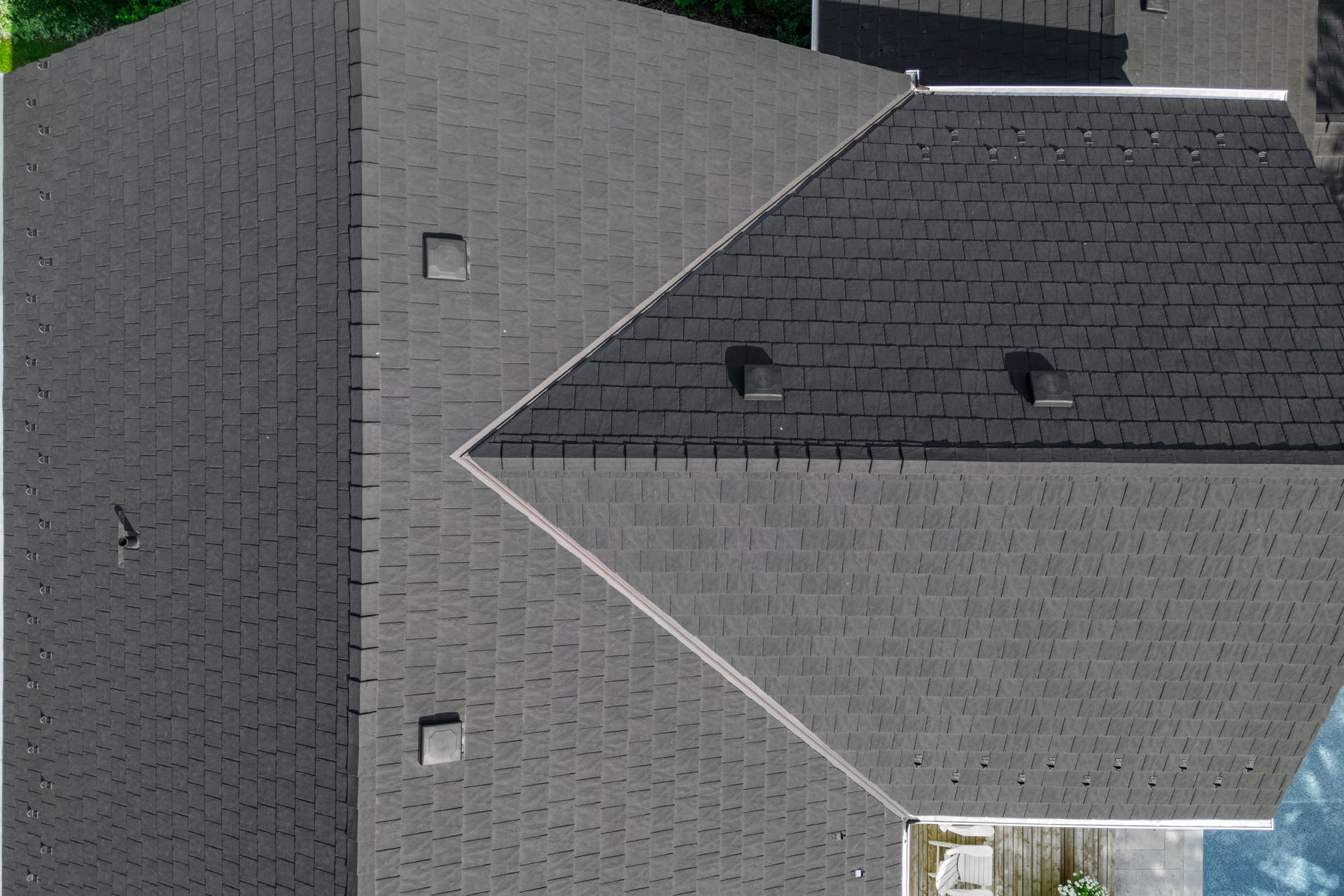
Choosing the Right Roofing Material for Your Winnipeg Home
Choosing the right roofing material can feel overwhelming. There are different materials, different price points, different architectural styles, and a lot of opinions floating around online. The trouble is, the best materials for one house are not always the best materials for another.In Winnipeg, roofing materials need to stand up to cold weather, heavy rain, snow, freeze-thaw cycles, strong winds, and the kind of extreme weather that makes homeowners notice their roof very quickly when something goes wrong. That is why choosing the right roofing is not just about appearance. It is about durability, proper installation, your home’s structure, and how the full roofing system performs over time.
At Above All Roofing & Exteriors Inc, we help homeowners compare roofing materials based on lifespan, maintenance, weather performance, installation requirements, and long-term value. We also look at the parts that matter just as much as the material itself, including attic airflow, proper ventilation, underlayment, flashing, valleys, drip edge, and the condition of the roof deck.
If you are planning a new roof, here is how to choose the right roofing material for your Winnipeg home.
Start With Your House, Not Just the Material
The right material depends on more than taste. It depends on your roof slope, your budget, your house style, your long-term plans, and whether your roof has areas prone to ice buildup, wind exposure, or moisture issues.
A steep older home may need a different conversation than a newer bungalow. Some homeowners want the most cost effective option. Others care more about excellent durability, lower maintenance, or creating a stronger first impression for a potential buyer. Some roofs also have lower-slope sections that need different systems than the main pitched roofs.
That is why choosing the right material starts with the home itself, not a list of products.
Fibre Asphalt Shingles: The Most Common Choice for Winnipeg Homes
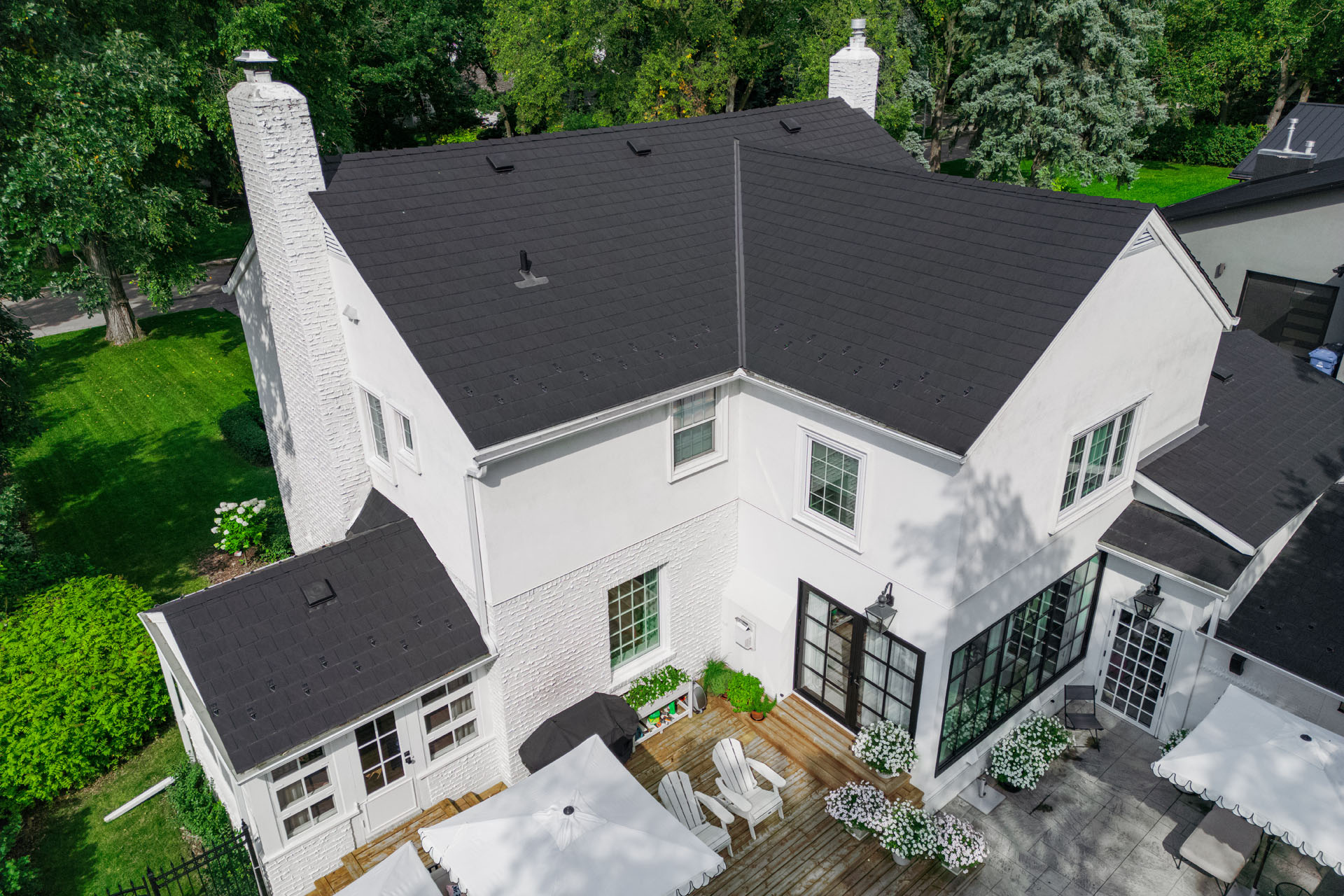
For many homeowners, fibre asphalt shingles are still the most practical and popular option. They are widely used because they are cost effective, easy to repair, available in many colours, and work well on many residential pitched roofs.
Architectural asphalt shingles are usually the better conversation than basic 3-tab shingles. They offer a more dimensional appearance, stronger curb appeal, and better durability for most homes. They also suit a wide range of architectural styles, which is one reason shingles remain such a common fit in Winnipeg.
Fiber asphalt shingles are often the right roofing material when you want reliable performance without jumping straight into the higher cost of premium systems. They are especially attractive to homeowners who want a good-looking new roof that balances value and function.
That said, shingles are not for every situation. Asphalt shingles should not be installed on roofs below a 2:12 slope, and lower-slope areas need special detailing even before that threshold becomes an issue. On homes with low-slope sections or flat roofs, a roofing contractor may recommend a different system for those areas. (IKO North America)
Metal Roofing: Long-Term Value and Low Maintenance
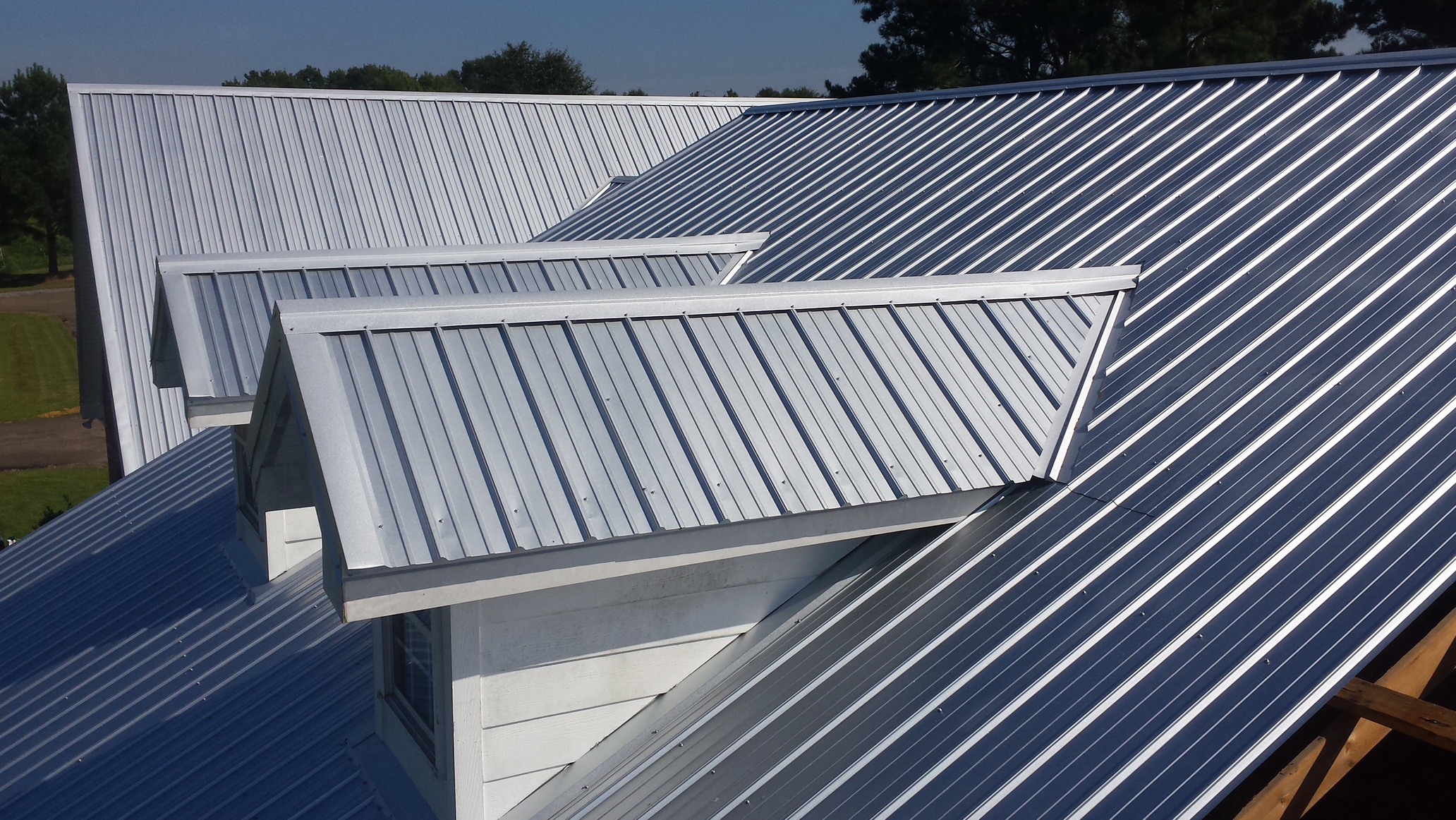
Metal roofing has become increasingly attractive for homeowners who want long-term performance, lower maintenance, and a cleaner, more modern look. It is known for durability, strong resistance to harsh weather conditions, and long service life.
At Above All, metal roofing includes snaplock hidden fastener profiles, including standing seam metal roofing, which is one of the premium options homeowners often compare when they want something more durable and visually distinct than standard shingles. Above All’s own metal roofing page highlights Snaplock hidden fastener profiles and standing seam as part of its offering.
Metal roofing can also be energy efficient, but this is where people get a bit carried away. The benefit is not simply “metal equals lower energy bills.” The finish matters. Reflective coatings and paint systems help metal roofs reflect heat and reduce heat absorption, which can help with cooling demand, especially during warmer periods.
For homeowners focused on durability, low maintenance, and a longer-term investment, metal roofing is often one of the best materials to consider.
Cedar Shakes and Wood Shingles: Strong Character, More Upkeep
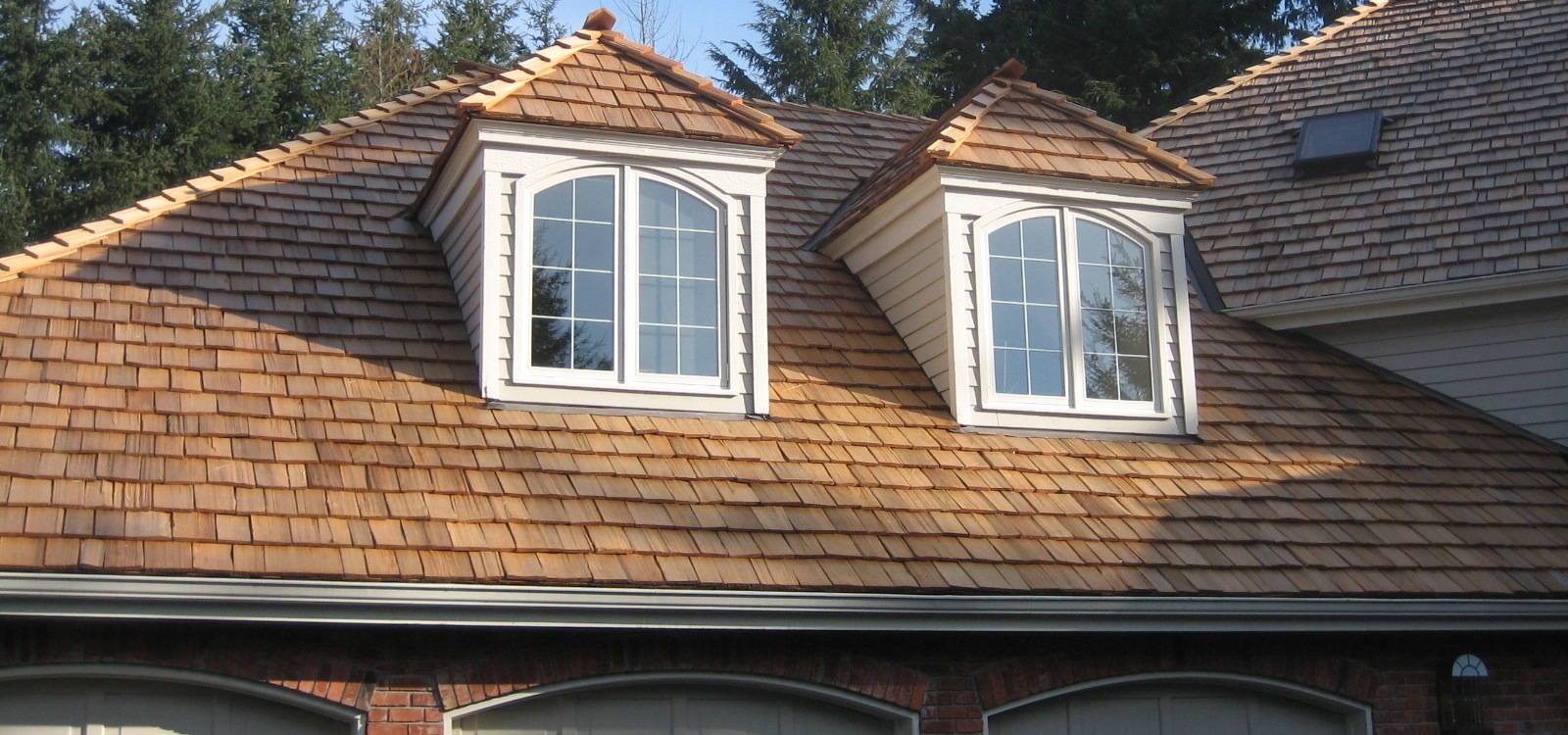
Cedar shakes and wood shingles bring warmth, texture, and a classic appearance that is hard to fake. They can look fantastic on character homes and on houses where curb appeal matters as much as raw practicality.
The tradeoff is maintenance. Wood roofing usually asks more of the homeowner than asphalt shingles or metal roofing. Regular maintenance, regular inspections, and proper installation matter a great deal. So does ventilation. Cedar industry guidance specifically emphasizes that adequate ventilation helps prevent heat and moisture build-up and can help reduce ice damming in cold-weather conditions. (Cedar Shake and Shingle Bureau)
So yes, cedar can be a beautiful right roofing option for the right house, but it is usually chosen because the homeowner values appearance and character enough to accept the added upkeep.
Synthetic Roofing and EuroShield: Premium Looks Without Some of the Headaches
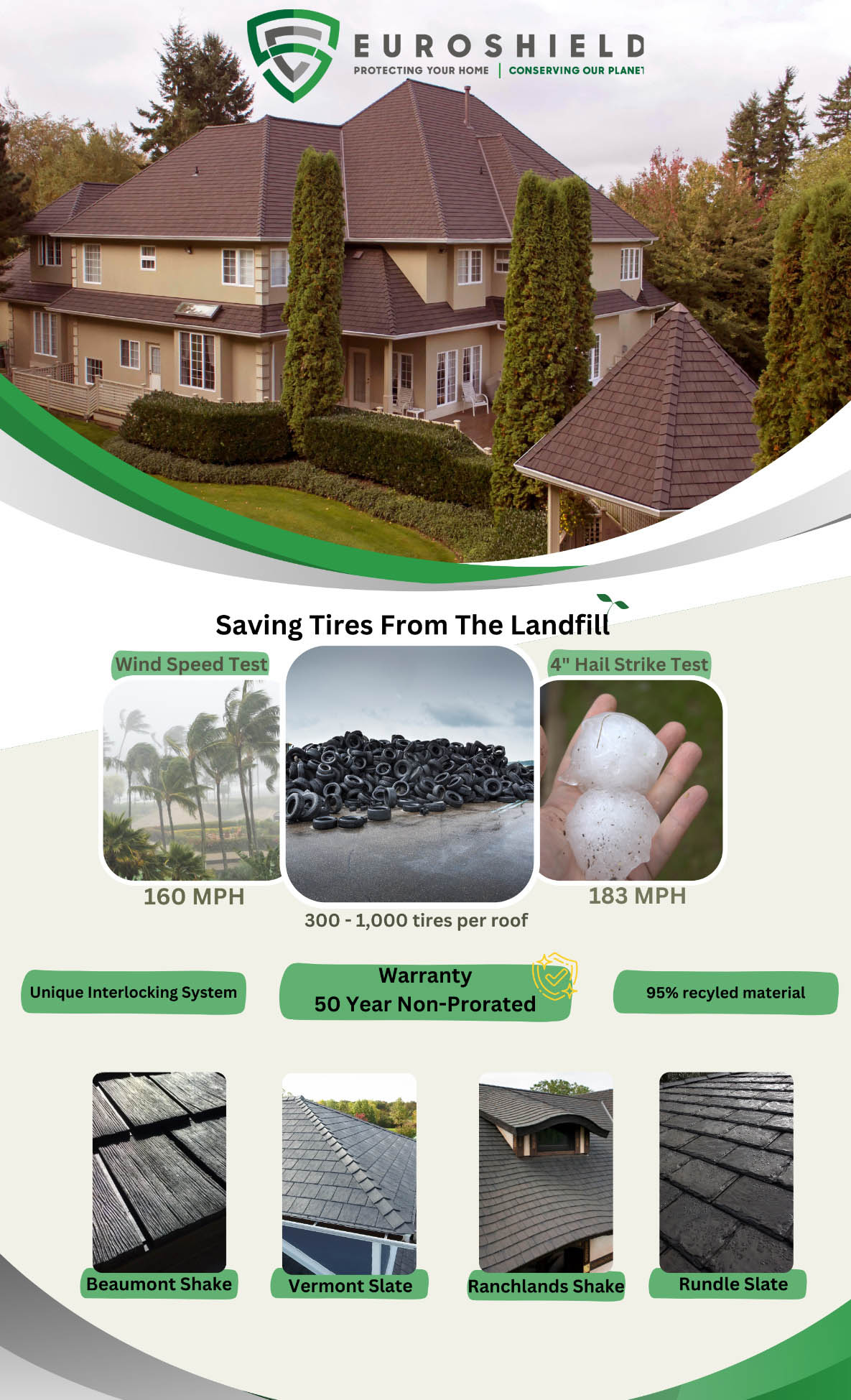
Synthetic roofing products are designed to mimic higher-end materials such as cedar, slate shingles, or slate tile while reducing some of the maintenance or weight concerns that come with natural materials.
For homeowners who like the look of wood, slate, or tile roofs but want something more forgiving, synthetic products can make a lot of sense. They often appeal to homeowners who want strong durability, more design flexibility, and a premium appearance without stepping fully into the maintenance demands of cedar.
EuroShield is one of the most notable options in this category. It is marketed as a roofing product made with recycled materials, including rubber from tires, and the company promotes UL 2218 Class 4 impact resistance on certain profiles. That makes it especially interesting for homeowners thinking about hail resistance, longevity, and sustainability at the same time. (euroshieldroofing.com)
What About Tile Roofs, Clay Tiles, Concrete Tile, and Slate?
These materials come up often when people search for the most durable roofing materials, but they are usually not the first recommendation for the average Winnipeg home.
Tile roofs, clay tiles, concrete tile, and natural slate can be visually striking, but they are heavier systems and may require more structural consideration. They also tend to be a less common fit here than asphalt shingles, metal roofing, or certain synthetic alternatives. For many local homeowners, they are simply not the most practical balance of cost, structure, maintenance, and climate fit.
That does not make them “bad.” It just means they are usually more niche choices, not the answer for most houses in Winnipeg; and something we don’t offer.
What Actually Matters Most When Choosing Roofing Materials
Climate and local conditions
Winnipeg weather should influence every roofing decision. Roofs here need to handle cold weather, snow, spring melt, high winds, strong winds, and the kind of temperature swings that expose weaknesses in a hurry. If your roof has already had ice damming, ventilation problems, or significant damage, those local conditions matter more than glossy sales claims.
Roof slope and design
Not all roofing types suit all roofs. Pitched roofs open up more options. Flat roofs and low-slope areas often need a different conversation entirely. That is why a professional roofing contractor should always assess the full roof instead of pushing one material everywhere.
Installation quality
A good roofing material installed badly is still a bad roof. Professional installation is one of the biggest factors in long-term roof performance. That includes underlayment, flashings, drip edge, valley protection, fastening, attic airflow, and ventilation details. In other words, installed correctly beats “premium on paper” every time.
Maintenance expectations
Some homeowners do not mind regular maintenance. Others want to install a roof and think about it as little as possible. Asphalt shingles, metal roofing, cedar, and synthetic products all come with different maintenance expectations, and that should be part of the decision from the start.
Style and resale
Your roof affects curb appeal, but it also affects how cohesive your house looks. The right material should suit your home’s structure and its architectural style. It can also help with resale appeal if you may sell later and want the roof to feel like a smart upgrade to a potential buyer.
The Roof System Matters More Than Most People Realize
One of the biggest mistakes homeowners make is comparing materials without comparing systems.
A roof is not just shingles, metal panels, or wood shingles. It is a system. Proper ventilation, attic airflow, ice and water protection, synthetic underlayment, valley flashing, drip edge, and deck condition all affect whether the roof performs well or turns into a money pit.
That matters in Winnipeg because problem areas usually show up in predictable places: eaves, valleys, roof penetrations, lower-slope transitions, and poorly ventilated attic spaces. If those details are wrong, even a good material can underperform.
So when you are choosing the right roofing material, you are really choosing between complete systems, not just surface finishes.
A Simple Way to Think About Your Options
Fiber Asphalt shingles are often the best fit when you want a proven, familiar, cost effective solution for a standard residential roof.
Metal roofing is often the better fit when you want excellent durability, lower maintenance, and longer-term value.
Cedar shakes or wood shingles are often chosen when the appearance matters enough to justify more upkeep.
Synthetic products and EuroShield often make sense when you want premium style, strong performance, and in some cases better impact resistance or recycled-material benefits.
The right roofing choice depends on what matters most to you and what your house can realistically support.
Work With an Experienced Team, Not Just a Product List
The best materials do not choose themselves. A good roofing contractor should look at the full picture: your roof slope, the age of the house, the condition of the deck, your ventilation, your budget, and how long you want the next roof to last.
Our experienced team helps homeowners sort through different materials without losing sight of what actually matters: performance, durability, clean installation, and whether the roof will work well in Winnipeg’s climate.
If you are trying to choose the right material for your home, get in touch with Above All Roofing for a free, no-obligation quote.
FAQ:
What is the most common roofing material in Winnipeg?
For most homeowners, asphalt shingles are still the most common choice because they are affordable, practical, and suit many pitched roofs.
Are asphalt shingles still a good option for a new roof?
Yes. Asphalt shingles are still one of the most cost effective choices for a new roof, especially when the installation is done correctly and the roof has the right slope.
Is metal roofing worth the extra cost?
It can be. Metal roofing usually costs more upfront, but many homeowners choose it for lower maintenance, long lifespan, and strong performance in harsh weather conditions.
Are cedar shakes or wood shingles practical in Winnipeg?
They can be, but they are usually chosen for appearance and character rather than convenience. They need more maintenance and good ventilation details to perform well over time.
Are synthetic roofing materials worth considering?
Yes, especially if you like the look of slate shingles, slate tile, cedar, or other premium materials but want something lower maintenance or lighter.
Does the roof slope affect which material I can use?
Absolutely. Roof slope affects what can be installed safely and correctly. Some materials suit pitched roofs better, while flat roofs and low-slope areas may require different systems.
What matters more: the material or the installation?
Both matter, but installation is often what makes or breaks the roof. A well-installed system with proper ventilation and flashing will usually outperform a premium material installed poorly.
Can the wrong roofing material lead to costly repairs?
Yes. If a material is poorly matched to the roof design, the local climate, or the installation details, it can contribute to moisture issues, premature wear, and costly repairs.