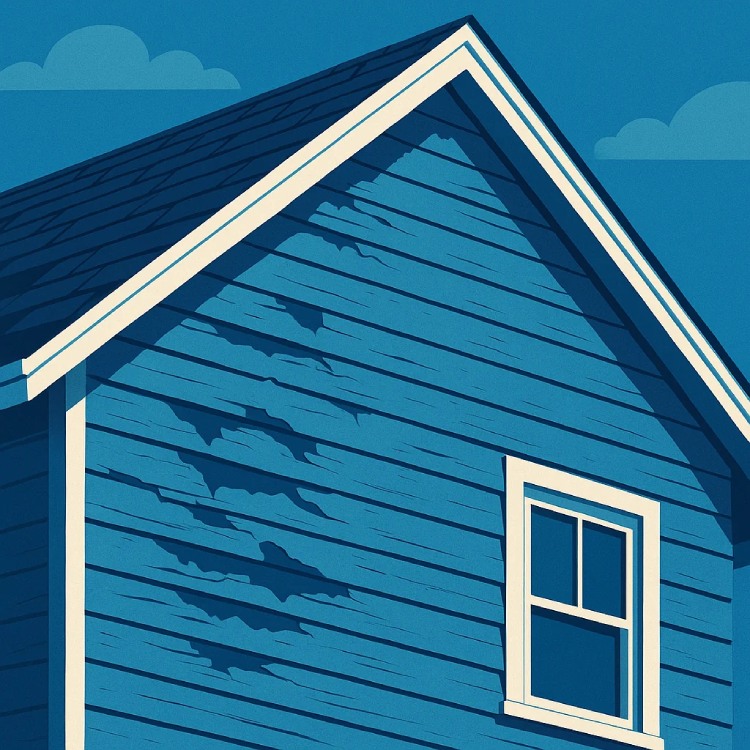
Your home’s siding plays a crucial role in protecting your property from the elements, and enhancing its curb appeal. In a city like Winnipeg, where extreme weather and fluctuating temperatures are the norms, your house siding often takes a beating. If you’ve noticed warning signs that your current siding isn’t performing as it should, it may be time to take action. Here’s everything you need to know about recognizing obvious signs to replace home siding and how Above All Roofing and Exteriors can help.
The Role of Siding in Your Home
Your home’s siding is more than just a fresh coat of paint or an aesthetic choice; it serves several essential purposes:
Protection Against the Elements
Siding acts as your home’s first line of defence against moisture, extreme weather, and temperature fluctuations. Properly installed siding ensures insulation, keeps out unwanted moisture, and maintains your home’s structural integrity.
Curb Appeal
Your home’s curb appeal significantly depends on its exterior siding. Damaged siding or faded siding not only looks unattractive but also affects your home’s overall value. In Winnipeg, where harsh winters and humid summers can accelerate wear, maintaining your home’s siding is crucial.
First Impressions and Resale Value
Your siding is one of the first things potential buyers or visitors notice about your home. A well-maintained or new siding sends a message that the property is cared for and up to date. This positive first impression can significantly boost your property value and make your home more appealing in Winnipeg’s competitive real estate market. On the other hand, old siding or damaged siding may deter buyers and reduce offers, emphasizing the importance of keeping your home’s exterior in top condition.
Top 10 Signs You Need to Replace Your Siding
If you notice any of these signs it’s time to replace your siding, don’t delay. Left untreated, small issues can lead to serious damage and costly repairs.
1. Visible Cracks or Gaps
Winnipeg’s freeze-thaw cycles can cause small cracks or gaps in siding. These allow moisture to seep in, leading to mold, rot, and potentially deeper problems.
2. Warping or Buckling
Wooden siding and vinyl siding are particularly vulnerable to Winnipeg’s extreme weather. If you notice warping or buckling, it could indicate structural damage underneath.
3. Faded or Discolored Siding
Prolonged UV exposure to sunlight during Winnipeg’s summers can leave your siding looking faded. Beyond overall aesthetics, faded siding impacts your home’s energy efficiency as it absorbs more heat.
4. Peeling Paint or Wallpaper Inside the Home
This is a sign of unwanted moisture infiltrating your walls due to affected siding or insulation issues. When windows are closed during Winnipeg’s long winter heating season, this can lead to health issues because of increased wall mold growth.
5. Higher Energy Bills
A sudden spike in your energy bills might mean your siding ages have compromised insulation. Upgrading to quality siding that can better protect your interior walls, and upgrading insulation with a higher R-value, can restore energy efficiency.
6. Rot, Mold, or Mildew Growth
Winnipeg’s heavy snow and rain can lead to dry rot, mold, or mildew if your siding isn’t properly protecting your home’s walls and insulation. These issues pose risks to both your structural integrity, indoor air quality and ultimately your health.
7. Storm Damage
Hail and windstorms in Winnipeg often leave old siding with dents, cracks, or missing panels. If your siding has been hit, it’s time for a professional inspection or repairs to prevent further damage.
8. Pest Infestation
Rodents and insects, like carpenter ants, mice and squirrels, can exploit gaps in damaged siding, especially in cold seasons when they look for indoor hiding spots to hibernate for the winter. Insect damage can also lead to extensive damage if not addressed promptly.
9. Water Stains or Bubbling
If you spot water stains or bubbling, it’s likely due to moisture trapped under your siding. Improper installation, wet insulation or aging materials can exacerbate this moisture problem, leading to serious damage and increased mold growth.
10. Outdated or Incompatible Materials
Older siding materials may not meet today’s standards for weather resistance and durability. Upgrading to fiber cement siding or engineered wood siding can help your home withstand Winnipeg’s climate.
Why Timely Siding Replacement Matters
Delaying siding repair or replacement can lead to extensive damage and increased costs. Here’s why acting now is the best course of action:
1. Prevents Costly Repairs
Neglected siding allows moisture and pests to penetrate, causing structural damage. Addressing obvious signs early can save you from larger repair bills.
2. Improves Energy Efficiency
Replacing affected siding to protect your home’s insulation, will reduce energy loss, saving you money on heating and cooling bills—especially in Winnipeg, where winters demand efficient insulation.
3. Boosts Curb Appeal
New siding can dramatically improve your home’s overall aesthetics and increase its property value, which is a significant advantage in Winnipeg’s real estate market.
Best Siding Materials for Winnipeg Homes
Choosing the right siding material is essential for weathering Winnipeg’s climate. Here are some of the best options:
1. Fiber Cement Siding
Known for its durability and resistance to weather, fiber cement siding is ideal for areas with extreme weather. Brands like James Hardie offer excellent products for Winnipeg homes.
2. Engineered Wood Siding
Engineered wood siding offers the authentic look of wood with low maintenance. KWP’s composite engineered wood siding is lightweight, has superior durability, is easy to install, and is eco-friendly — perfectly suited to withstand Winnipeg’s harsh climate.
3. Vinyl Siding
Affordable and versatile, vinyl siding is a popular choice. However, it may not perform as well in extreme weather conditions, so consider insulated options for Winnipeg winters.
4. Metal Siding
Metal siding withstands hail and cold temperatures, making it another great choice. It’s low-maintenance and offers long-term performance.
How Above All Can Help
When it comes to siding replacement, Above All Roofing and Exteriors specializes in meeting the unique challenges of Winnipeg’s climate. Here’s why you should choose us:
- Expertise in Winnipeg’s Conditions: Our team understands the impact of extreme weather on siding and provides tailored solutions.
- High-Quality Materials: We offer options like fiber cement, metal, and insulated siding to ensure your home is protected.
- Warranties and Financing: With comprehensive warranties and flexible financing options, we make replacement siding a stress-free process.
Let us handle your siding repair or replacement with care and precision.
Your home deserves the best protection against Winnipeg’s unpredictable weather. Recognizing the warning signs to replace home siding—such as visible cracks, warping, faded siding, or even higher energy bills from insufficient or damaged insulation—can save you from extensive damage and costly repairs down the road. Whether it’s rot, mold, storm damage, or old siding that no longer meets modern standards, addressing these issues promptly helps keep your home safe and looking great.
Replacing damaged siding not only prevents structural damage and unwanted moisture from causing health issues, but it also boosts your property value and curb appeal, which is especially important in Winnipeg’s competitive real estate market. If you’ve noticed any of these obvious signs or suspect deeper problems with your siding, now is the time to replace or repair. At Above All, we specialize in inspections and repairs, siding replacement, and offer high-quality materials, professional installation, and tailored siding solutions for Winnipeg homes.
Don’t wait for small issues to escalate — contact us today to book your siding inspection and ensure your home is protected and safe for years to come.